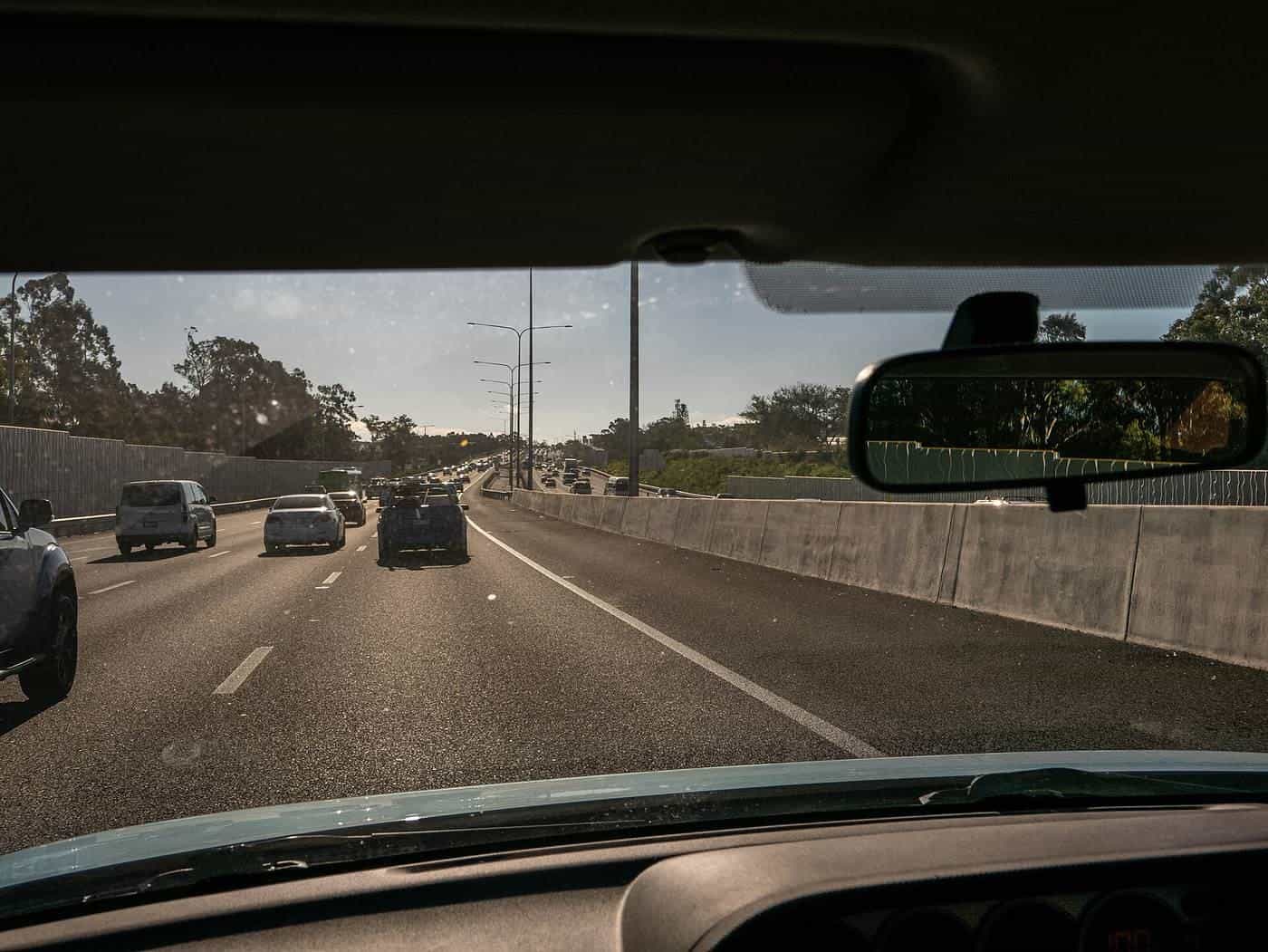
Not everyone can switch to an electric car right now, and they don't need to in order to drive greener. Most cars on Australian roads will run on petrol or diesel for years to come, so how efficiently they're chosen and driven matters a lot. Hybrids offer a middle path that cuts fuel use without changing how you refuel. And when it's time to choose your next car, official efficiency figures let you compare fairly across every fuel type.
This section covers all of that, drawing mainly on the Green Vehicle Guide, energy.gov.au, the New Vehicle Efficiency Standard Regulator and the Australian Taxation Office.
Guides in this section
- Hybrid cars explained: how standard, plug-in and mild hybrids work, where they save fuel, and when one makes more sense than an EV.
- Fuel-efficient driving tips: speed, smooth driving, idling, tyres, weight, drag, air conditioning and servicing.
- Comparing car efficiency and emissions: how to use the Green Vehicle Guide and what the New Vehicle Efficiency Standard means for buyers.
- Novated leases and the EV tax exemption: the ATO's conditions, the plug-in hybrid change and what to check before leasing.
Start with the car you already drive
The Green Vehicle Guide notes that your driving habits, your vehicle and driving conditions all affect your environmental impact, and it lists practical ways to reduce emissions with your current car. Some of the most effective:
- Watch your speed. At 110 km/h a car can use up to 25% more fuel than at 90 km/h, according to the Green Vehicle Guide.
- Drive smoothly. Unnecessary acceleration increases fuel use and emissions.
- Cut the drag. The Green Vehicle Guide says air resistance can increase fuel use by over 20% in some cases, so remove roof racks when you're not using them.
- Look after your tyres and service your car on schedule.
- Plan trips to combine errands and avoid peak traffic.
Our fuel-efficient driving tips explain each in detail, and most also help EVs go further.
Hybrids: the middle path
Hybrids combine an engine with an electric motor and battery. The Green Vehicle Guide describes them as a cheaper alternative to a fully electric vehicle, with better fuel economy and lower environmental impact than a standard petrol or diesel car. They're especially good in stop-start city driving, where regenerative braking recovers energy.
There's an important catch with labels. Energy.gov.au says mild hybrids can't drive the car on electric power alone, and that 48-volt mild hybrids provide around half the fuel savings of a full hybrid. Plug-in hybrids, meanwhile, only deliver their best results when charged regularly. Our hybrid guide explains how to tell them apart.
Comparing cars fairly
Official figures from standardised tests let you compare cars of any type. The Green Vehicle Guide is the Australian Government's official national guide to vehicle fuel consumption and environmental performance. It shows fuel or energy use, tailpipe CO2, electric range and lifecycle emissions for new and used vehicles, plus a fuel and CO2 calculator to estimate annual costs. Our comparison guide shows how to use it step by step.
The New Vehicle Efficiency Standard
Since 1 January 2025, Australia has had a New Vehicle Efficiency Standard. The NVES Regulator says it sets CO2 emissions targets for new passenger cars and light commercial vehicles, such as utes and vans, up to 4.5 tonnes gross vehicle mass, entering the market from 1 July 2025. It applies to car suppliers, not drivers, and doesn't affect vehicles already on the road. The aim is to encourage more lower-emissions vehicles in Australia.
Tax and salary packaging
For many employees, the fringe benefits tax exemption for eligible electric cars is a major factor in the cost of switching. The ATO sets four conditions, and from 1 April 2025 plug-in hybrids no longer qualify except for some pre-existing arrangements. The ATO also says the government will review the exemption by mid-2027. Our novated lease guide explains the rules and the questions to ask any leasing provider.
Considering an EV next?
If you're thinking about going fully electric, our electric cars section explains types, range and running costs, and our charging section covers home, public and apartment charging. Try the charge time estimator to see how charging could fit your routine.
A greener driving checklist
- Check your tyre pressures monthly and before long trips.
- Remove roof racks, boxes and bike carriers when not in use.
- Clear unnecessary weight from the boot.
- Accelerate smoothly and look well ahead.
- Combine errands and avoid peak traffic where you can.
- When buying, compare official figures on the Green Vehicle Guide.
Key points
- How you drive can change fuel use a lot: speed, smoothness, drag and tyres matter.
- Hybrids save most in city driving; check whether a "hybrid" is full, plug-in or mild.
- Use the Green Vehicle Guide to compare cars fairly across fuel types.
- The NVES sets CO2 targets for suppliers of new light vehicles from 2025.
- Check the ATO's conditions before relying on the EV FBT exemption.
Guides in this section
Efficient driving
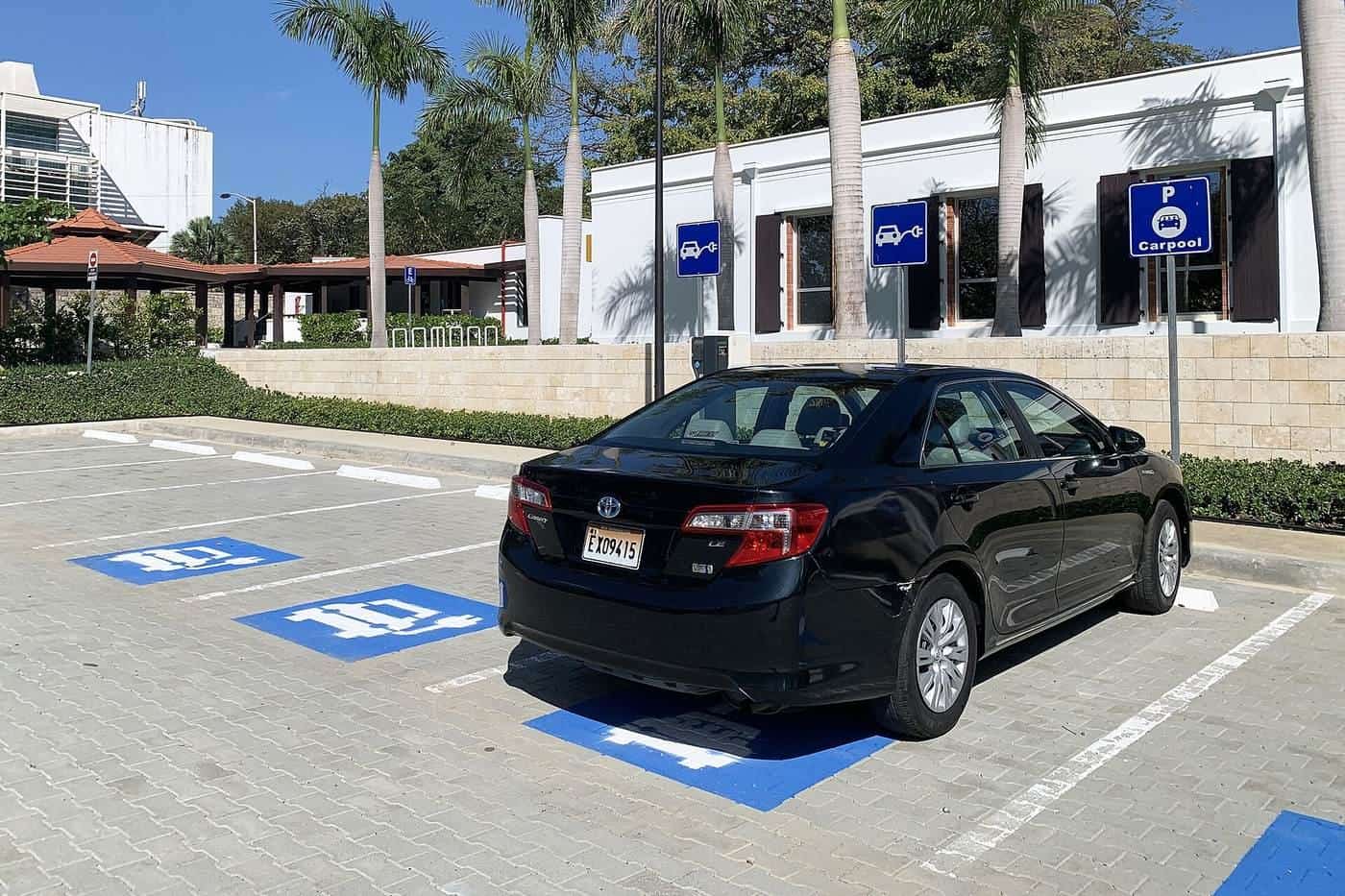
Hybrid cars explained
How standard, plug-in and mild hybrids work, how they save fuel, how to drive them efficiently and when a hybrid beats an EV.
Read · 5 min
Efficient driving
Fuel-efficient driving tips
Ways to cut fuel use in the car you drive: speed, smooth driving, idling, tyres, weight, drag, air conditioning and servicing.
Read · 5 min
Efficient driving
Comparing car efficiency and emissions
How to compare cars on fuel use and emissions with the Green Vehicle Guide, and what the New Vehicle Efficiency Standard means.
Read · 5 min
Efficient driving
Novated leases and the EV tax exemption
How the FBT exemption for eligible electric cars works: the ATO conditions, the 2025 plug-in hybrid change and what to ask before leasing.
Read · 5 min
Frequently asked questions
What's the easiest way to use less fuel?
Drive smoothly, keep to moderate speeds, keep tyres properly inflated and remove unused roof racks. The Green Vehicle Guide says a car can use up to 25% more fuel at 110 km/h than at 90 km/h.
Is a hybrid worth it?
It depends on your driving. Hybrids tend to save the most fuel in stop-start city driving. Compare official fuel figures on the Green Vehicle Guide for the models you're considering.
Where can I compare car fuel use?
The Green Vehicle Guide is the Australian Government's official guide to vehicle fuel consumption and environmental performance, with search, compare and calculator tools.
What is the New Vehicle Efficiency Standard?
The NVES commenced on 1 January 2025 and sets CO2 emissions targets for suppliers of new passenger cars and light commercial vehicles from 1 July 2025.
Sources and further reading
Facts on this page were checked against these primary and official sources. Conditions change — confirm before you travel or buy.
- Tips to reduce your emissions — Green Vehicle Guide
- Hybrid vehicle information — Green Vehicle Guide
- What is the New Vehicle Efficiency Standard? — NVES Regulator
- Electric cars exemption — Australian Taxation Office