Walk into any car showroom in Australia and you'll hear a stream of acronyms: BEV, PHEV, HEV, MHEV and, more recently, EREV. They all describe cars that use electricity in some way, but they work very differently, and the differences matter for your running costs, how you refuel or recharge, and how far you can travel between stops. This guide explains each type in plain English, using the categories set out by the Australian Government's Green Vehicle Guide and energy.gov.au.
2
Main EV categories
BEV and PHEV (energy.gov.au)
<100 km
Typical PHEV electric range
Energy.gov.au, varies by model
400 km+
Range of many EVs
Green Vehicle Guide
Why the labels matter
The label on a car tells you three practical things. First, where its energy comes from: a power point, a fuel bowser or both. Second, how you'll top it up: plugging in overnight, stopping at a service station, or a mix. Third, roughly how its emissions and running costs compare with a conventional petrol or diesel car. Energy.gov.au publishes a simple comparison table that rates each type on charging or refuelling costs, maintenance costs, driving range, refuelling speed and emissions. We draw on it below.
The Green Vehicle Guide also uses these categories when it lists fuel types, so knowing them helps you search and compare models on the official site. For example, a standard hybrid appears there as "electric/petrol", while a plug-in hybrid appears as "plug-in electric/petrol".
Battery electric vehicles (BEVs)
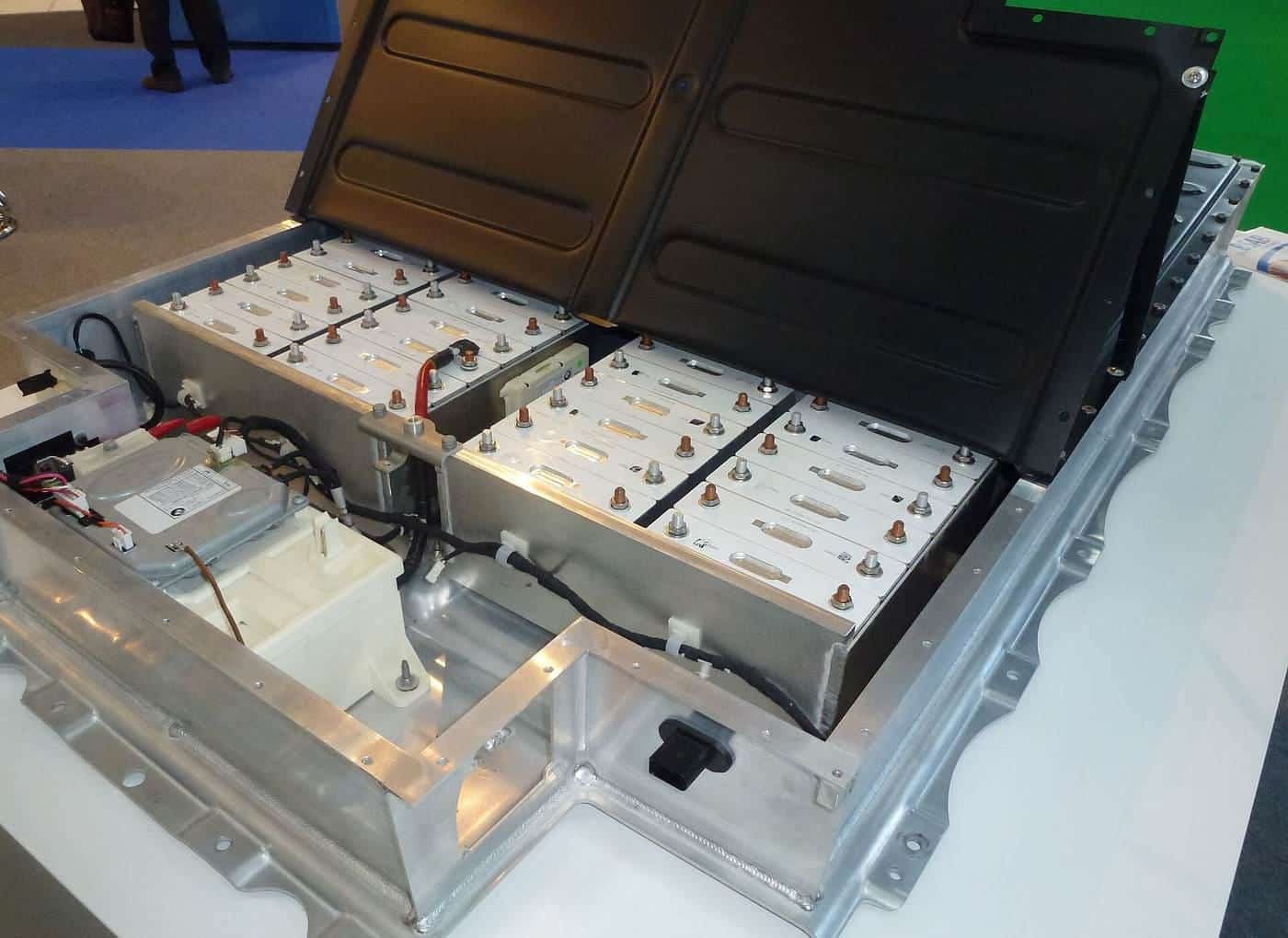
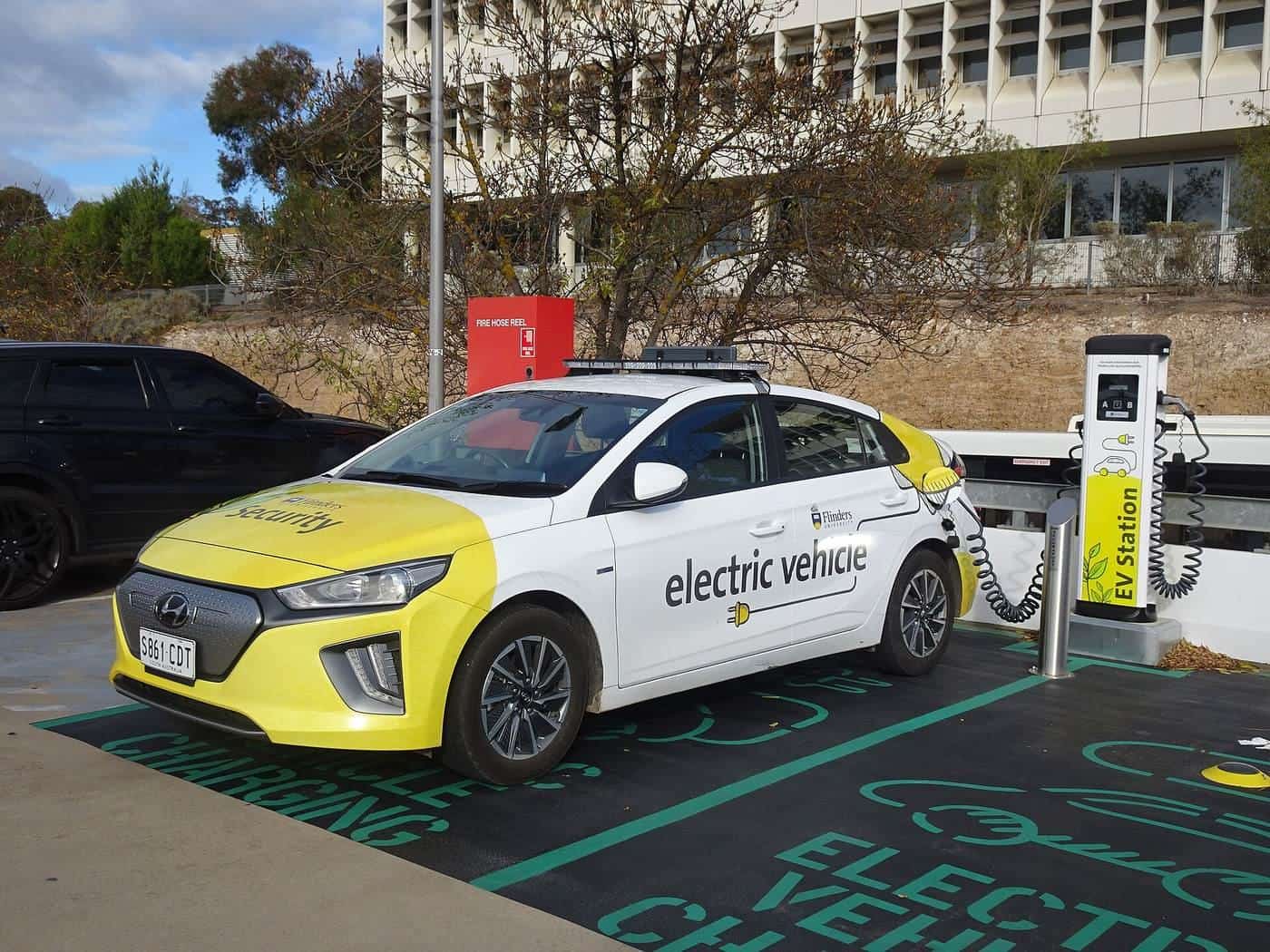
A battery electric vehicle runs entirely on electricity stored in a large battery pack. It has no petrol or diesel engine, no fuel tank and no exhaust. You charge it by plugging into a power point, a dedicated home charger or a public charging station. Like hybrids, BEVs also recover some energy when slowing down through regenerative braking, where the motor acts as a generator.
The Green Vehicle Guide notes that many EV models sold in Australia can travel over 400 km before they need to be recharged. That is a general statement, and real-world range varies with the model, battery size, speed, temperature and how you drive. You can check the estimated range for individual models using the guide's vehicle search.
In energy.gov.au's comparison, BEVs rate as low cost to charge at home (medium at public chargers), medium for maintenance, medium for driving range and low for emissions. Charging speed is rated medium, because even fast charging takes longer than filling a fuel tank.
Who BEVs tend to suit: drivers who can charge at home or work, whose daily driving sits comfortably within the car's range, and who are happy to plan charging stops on longer trips. If you have off-street parking, especially with rooftop solar, a BEV can be particularly convenient. Our guide to charging at home explains the options.
Plug-in hybrid electric vehicles (PHEVs)
A plug-in hybrid has both an electric motor with a battery you can charge from an outlet, and a petrol or diesel engine with a fuel tank. You can drive shorter distances on electricity alone, then the engine takes over when the battery runs low, or the two work together. Energy.gov.au says a PHEV battery typically offers a limited electric range of less than 100 km before the combustion engine powers the vehicle.
Because PHEVs carry two drivetrains, energy.gov.au rates their maintenance costs as high and their range as high. Emissions are rated medium, with the important qualifier "when frequently charged". A plug-in hybrid that is rarely plugged in behaves much like a heavier conventional hybrid, and its fuel use can be higher than expected. The Green Vehicle Guide's hybrid guide also notes that a vehicle's fuel consumption will be higher when the battery is low.
Who PHEVs tend to suit: people with short daily commutes they can cover on battery power, who can charge regularly at home, but who also take frequent long trips to areas where charging is sparse. The key to getting the benefit is actually plugging in. If you can't charge regularly, a standard hybrid or a BEV may make more sense.
One tax point worth knowing: from 1 April 2025, plug-in hybrids are no longer treated as zero or low emissions vehicles for the fringe benefits tax electric car exemption, apart from some pre-existing arrangements. See our guide to novated leases and EV tax.
Hybrid electric vehicles (HEVs)
A standard hybrid, sometimes called a "self-charging" or "plugless" hybrid, combines a petrol or diesel engine with an electric motor and a small battery. You can't plug it in. The Green Vehicle Guide explains that it recharges the battery using energy generated while driving, such as from braking or when you lift off the accelerator, and that these cars run on electric power only at low speeds.
Energy.gov.au says HEVs produce more emissions and can cost more to run than BEVs because they rely on petrol or diesel, but they offer lower emissions and better fuel efficiency than conventional cars. They refuel quickly at any service station and have a long range.
Who HEVs tend to suit: drivers who can't charge at home, who do a lot of stop-start city driving where hybrid systems work well, or who want lower fuel use without changing how they refuel. Our hybrid cars explained guide goes deeper.
Mild hybrids (MHEVs)
"Mild hybrid" is a marketing term you'll see more and more. The Green Vehicle Guide says a mild hybrid uses a combustion engine to propel the vehicle but may have a small electric motor, or energy-capturing technology like regenerative braking, to improve performance or efficiency. Energy.gov.au adds that in a mild hybrid the small motor and battery support the engine but cannot drive the car on their own.
Not all mild hybrids are equal. Energy.gov.au notes that 48-volt systems provide around half the fuel savings of a full hybrid, while 24-volt and 12-volt systems are less effective. On the Green Vehicle Guide, a mild hybrid whose motor can't propel the car is listed with a conventional fuel type such as "Petrol 95RON". If the motor can propel the car, it appears as a plugless hybrid.
What this means for you: don't assume "hybrid" on a badge means full hybrid fuel savings. Compare the official fuel consumption figure on the Green Vehicle Guide rather than relying on the label.
Range-extended EVs (EREVs or REEVs)
A newer category is the range-extended electric vehicle. The Green Vehicle Guide describes these as vehicles that use a battery-powered motor and operate like pure EVs most of the time, but carry a small combustion engine that works as a generator to recharge the battery when it runs low. The engine doesn't usually drive the wheels directly. On the Green Vehicle Guide these are listed as "plug-in electric/petrol" or "plug-in electric/diesel", the same as plug-in hybrids.
Who EREVs tend to suit: similar drivers to PHEVs, with the difference that the driving experience is closer to a BEV. As with PHEVs, the benefit depends on how often you charge.
Hydrogen fuel cell vehicles
You may also see fuel cell electric vehicles mentioned. These use hydrogen to generate electricity on board. The Green Vehicle Guide publishes a separate hydrogen vehicle guide. They are uncommon in Australia and refuelling sites are very limited, so this site focuses on battery electric and hybrid cars.
Side-by-side comparison
Based on energy.gov.au's comparison table, here's how the main types stack up in broad terms:
- Charging or refuelling cost: BEV low at home, medium at public chargers; PHEV medium; HEV medium; petrol and diesel high.
- Maintenance cost: BEV medium; PHEV high; HEV high; petrol and diesel high.
- Driving range: BEV medium; PHEV, HEV, petrol and diesel high.
- Refuelling or charging speed: BEV and PHEV medium; HEV, petrol and diesel fast.
- Emissions: BEV low; PHEV medium when frequently charged; HEV medium; petrol and diesel high.
These are general ratings, not a ranking of particular models. Purchase price, the cost of your electricity and fuel, insurance, and how you drive all affect what a car actually costs you.
How to choose the right type for you
A few practical questions narrow it down quickly:
- Can you charge at home or work? Energy.gov.au says around 80% of reported EV charging in Australia happens at home. If you can't charge at home, a BEV is still possible but needs more planning around public charging.
- How far do you drive on a typical day? If it's well within a BEV's range, daily charging is simple. If most trips are short with occasional long ones, a PHEV or EREV could work, as long as you plug in.
- Where do you take long trips? Look at public fast charging along your regular routes. Charging maps from charging networks and motoring clubs can help.
- What's your budget? The Green Vehicle Guide notes EVs generally cost more to buy than petrol or diesel cars, though prices are expected to become more competitive. Some states and territories offer stamp duty or registration discounts, so check your state's transport agency.
- Do you need towing or off-road capability? Check the manufacturer's towing ratings and, for EVs, how towing affects range.
Common misunderstandings
"Self-charging hybrids charge themselves for free." A standard hybrid's battery is charged by recovered braking energy and by the engine, which uses fuel. The benefit is efficiency, not free energy.
"A plug-in hybrid is always cleaner." Only if it's charged often. Energy.gov.au's medium emissions rating for PHEVs applies when they are frequently charged.
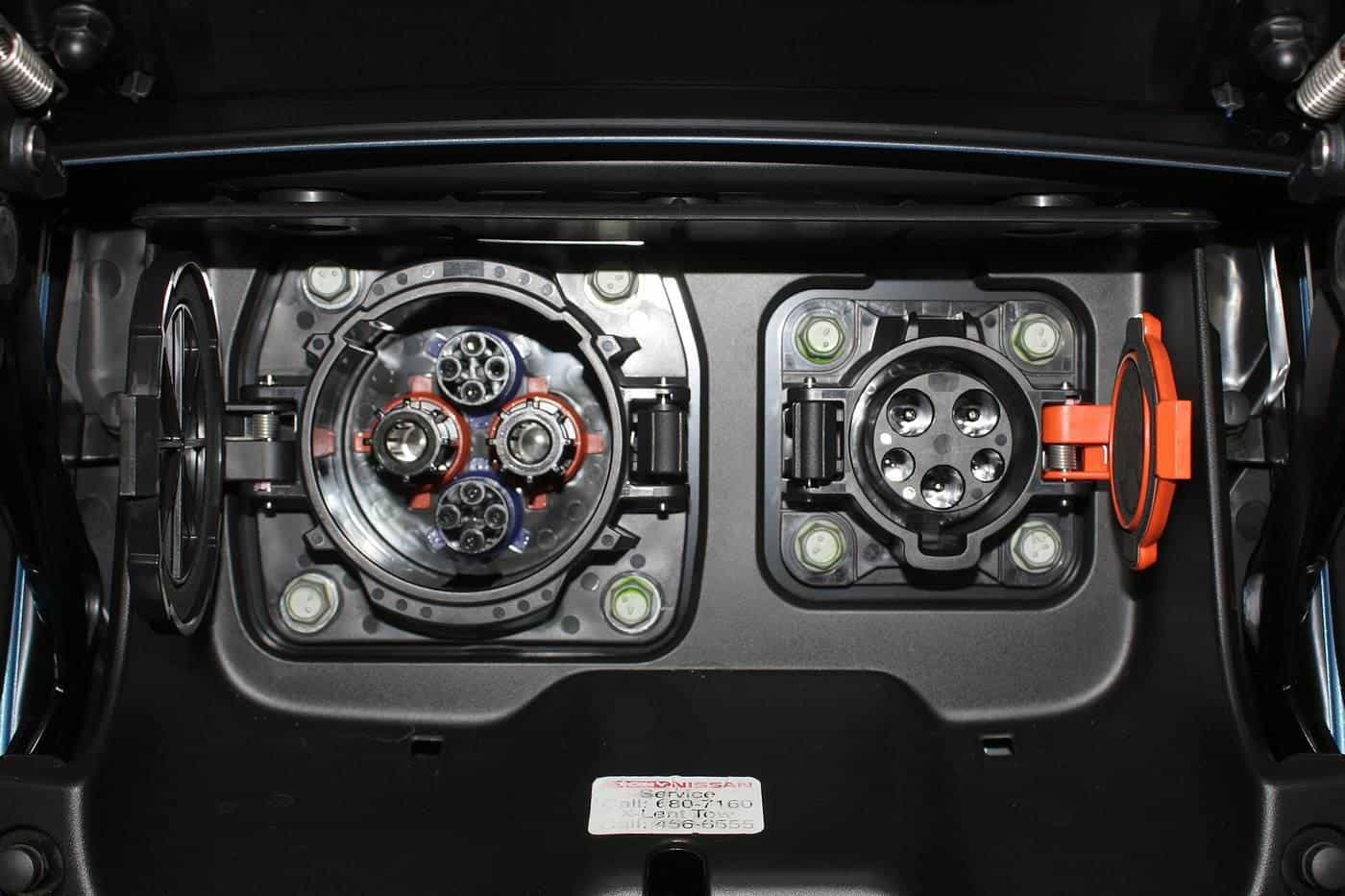
"All EVs need a special charger at home." Energy.gov.au notes you can charge from a standard power point with an appropriate cable, though it's slower than a dedicated charger. Try our charge time estimator to see the difference.
Using the Green Vehicle Guide to compare
The Green Vehicle Guide is the Australian Government's official national guide to vehicle fuel consumption and environmental performance. Its search and compare tool shows each model's fuel type, fuel consumption or energy use, electric range and emissions. You can filter by "pure electric" to see only BEVs. It's a neutral way to compare models across brands once you've worked out which type suits you. Our guide to comparing car efficiency walks through it.
Key points
- Battery electric vehicles run only on electricity and must be plugged in.
- Plug-in hybrids and range-extended EVs combine a chargeable battery with an engine; the benefit depends on charging regularly.
- Standard hybrids can't be plugged in but use less fuel than conventional cars.
- Mild hybrids offer smaller savings, and some can't drive on electric power at all.
- Compare official figures on the Green Vehicle Guide rather than relying on badges.
Frequently asked questions
What is the difference between an EV and a hybrid?
A battery electric vehicle runs only on electricity from its battery and must be plugged in to charge. A hybrid combines a petrol or diesel engine with an electric motor. A standard hybrid charges its small battery while driving, while a plug-in hybrid can also be charged from a power point or charger.
Is a hybrid an electric vehicle?
Energy.gov.au groups electric vehicles into battery electric and plug-in hybrid vehicles, and says standard hybrids are not classed as electric vehicles because they need fuel to function.
What is a mild hybrid?
According to the Green Vehicle Guide, a mild hybrid uses a combustion engine to move the car but may have a small electric motor or energy-capturing technology to improve performance or efficiency. Energy.gov.au notes the electric motor in a mild hybrid cannot drive the car by itself.
How far can a plug-in hybrid go on electricity?
It depends on the model. Energy.gov.au says a PHEV battery typically has a limited electric range of less than 100 km, after which the engine takes over. Check the figure for the specific model on the Green Vehicle Guide.
What is a range-extended EV?
The Green Vehicle Guide describes range-extended electric vehicles as cars that run like pure EVs most of the time but carry a small engine that acts as a generator to recharge the battery when it runs low.
Which type is best?
There is no single best type. It depends on how far you drive, whether you can charge at home, your budget and the trips you take. The sections below explain who each type tends to suit.
Sources and further reading
Facts on this page were checked against these primary and official sources. Conditions change — confirm before you travel or buy.
- Types of electric vehicles — energy.gov.au
- Hybrid vehicle information — Green Vehicle Guide
- Green Vehicle Guide FAQs — Green Vehicle Guide
- Electric vehicle guide (PDF) — Green Vehicle Guide