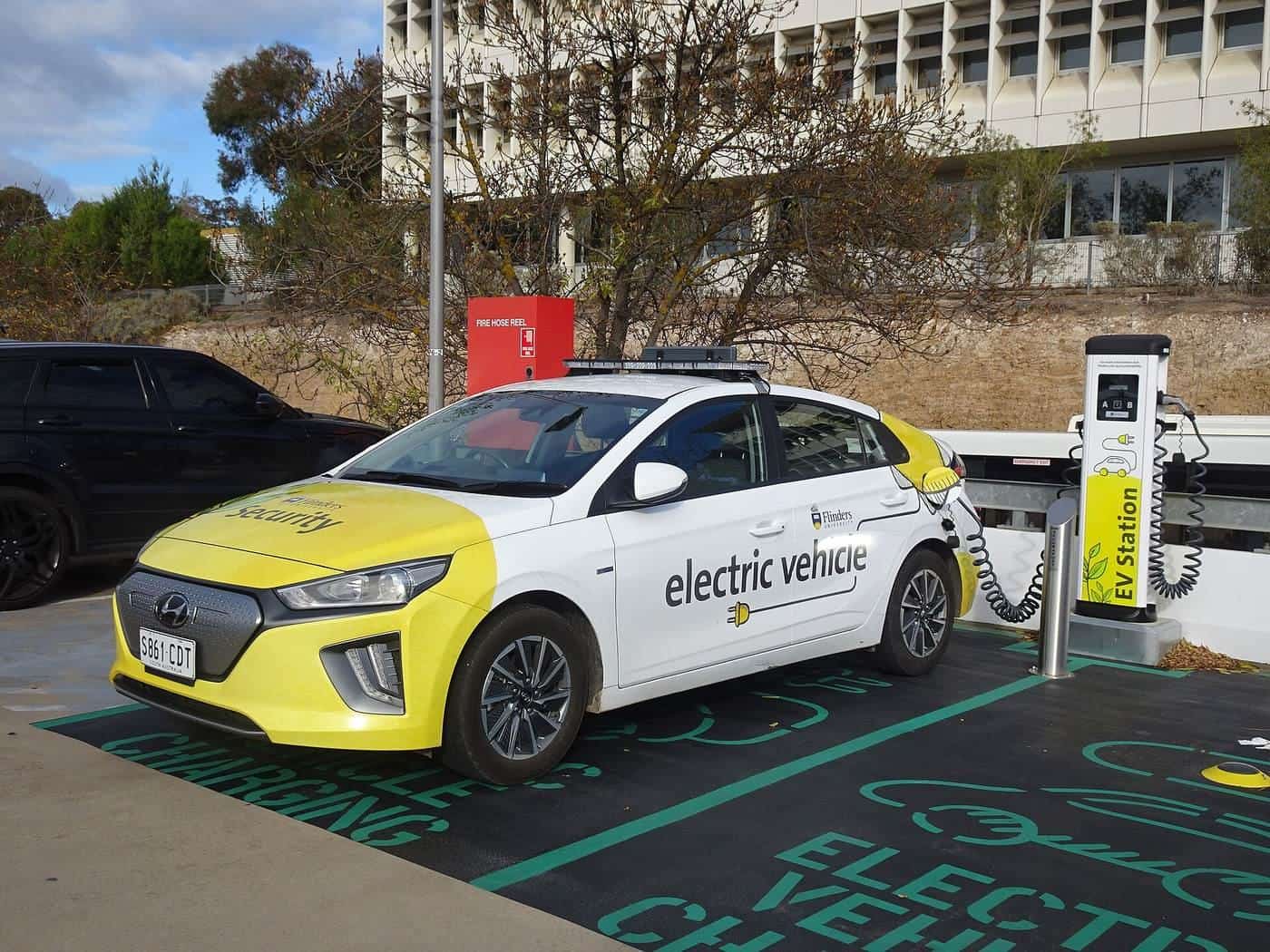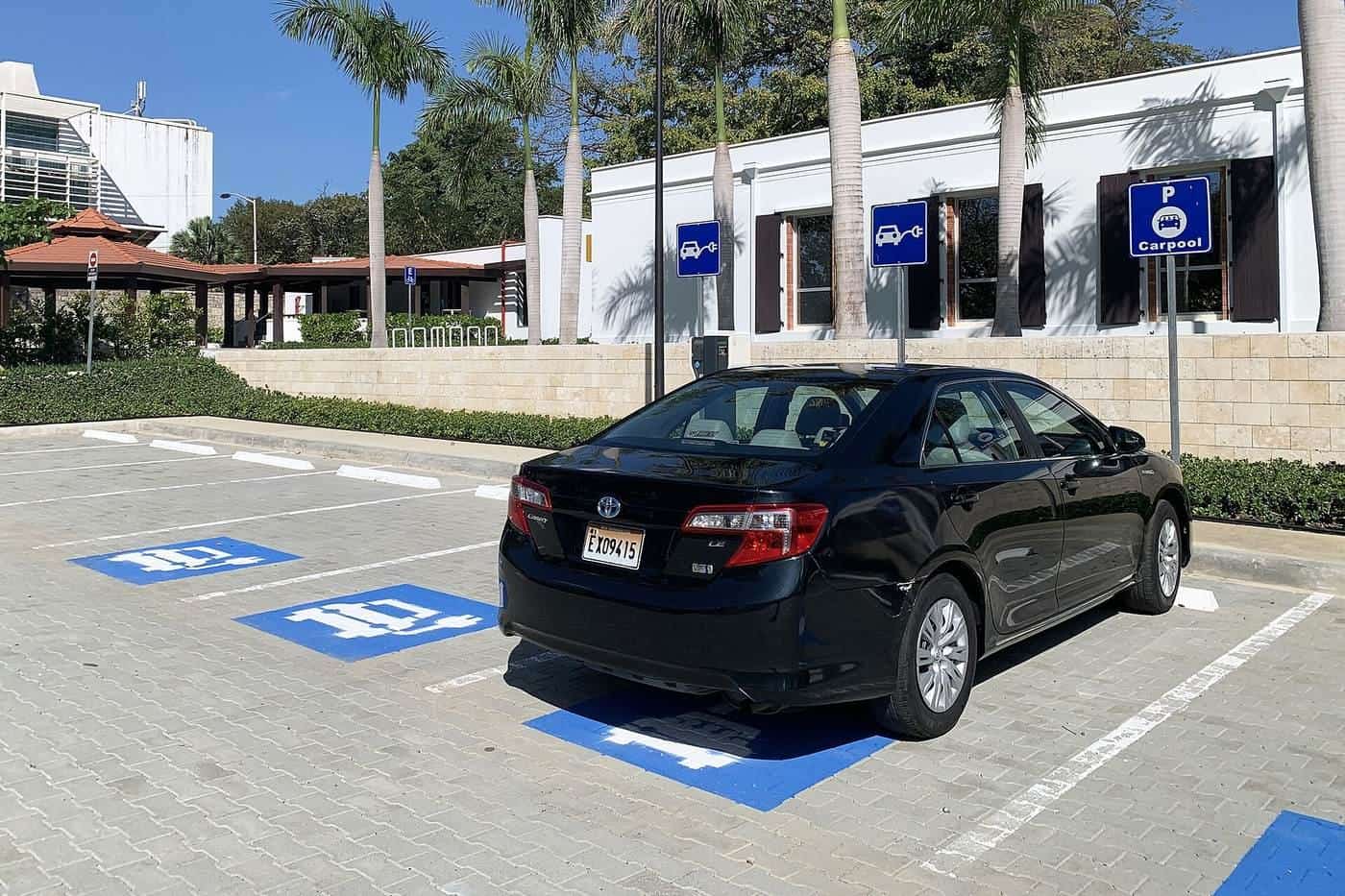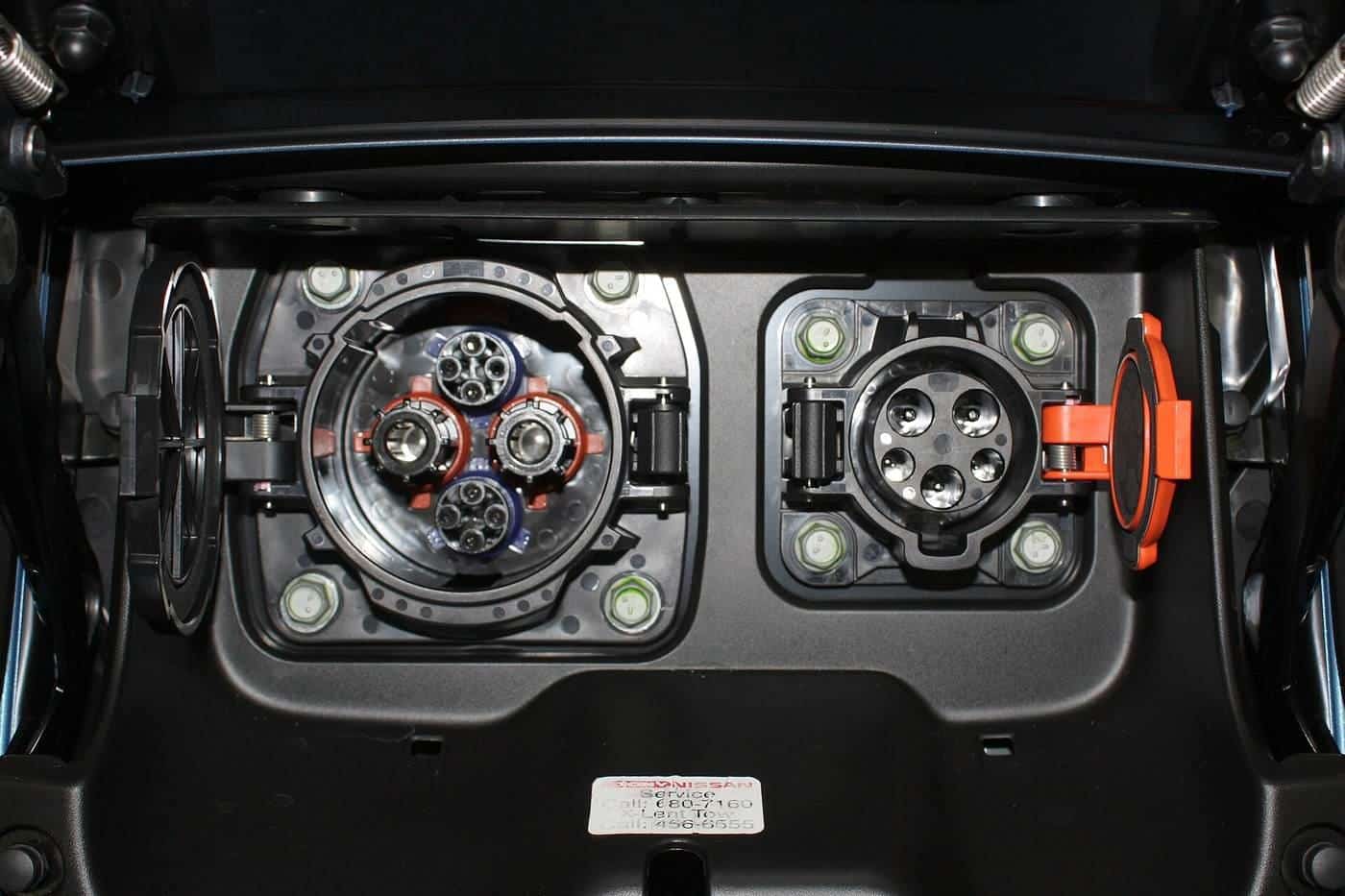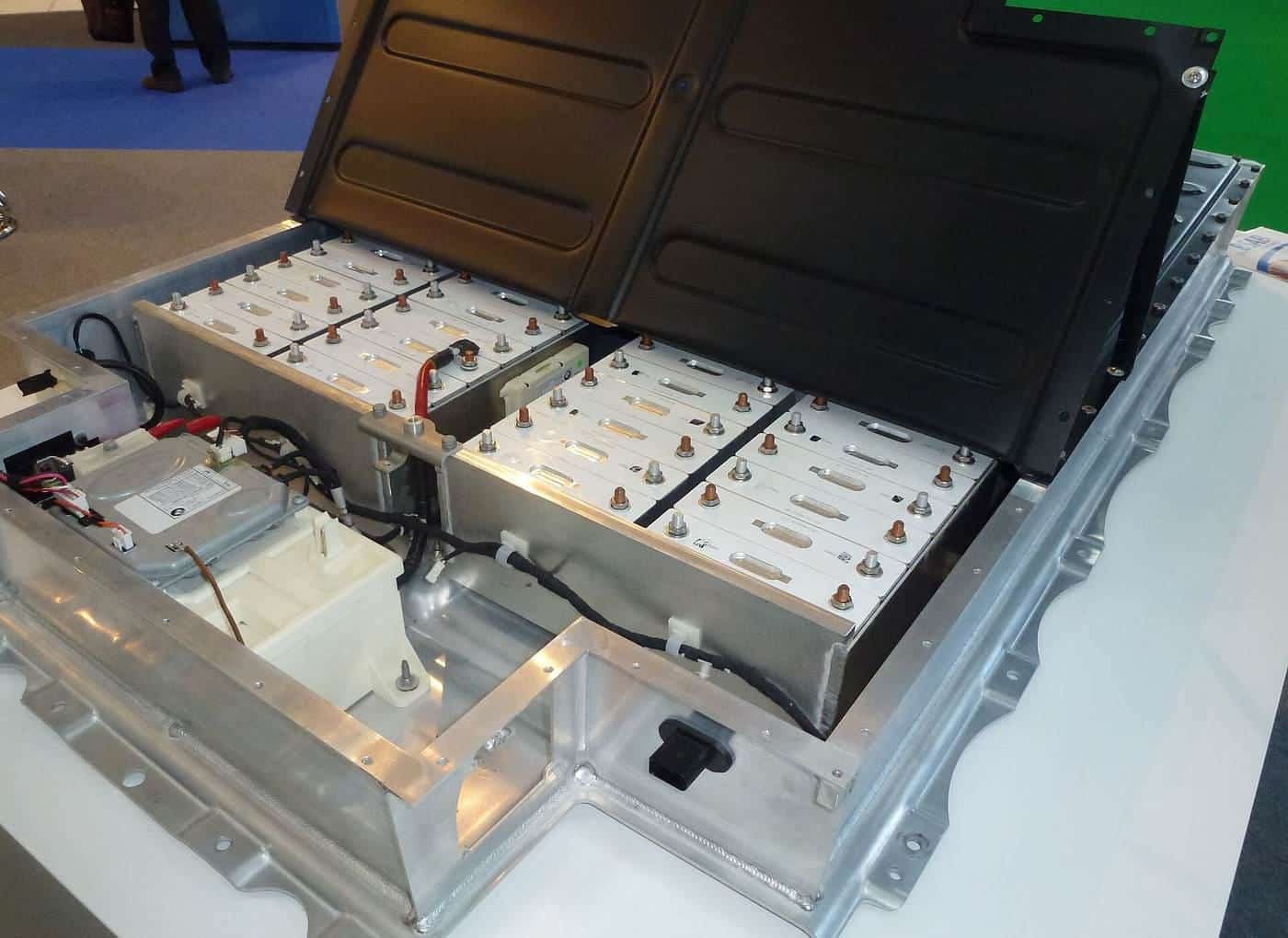
Whether you're curious about electric cars, weighing up a hybrid, or simply want to spend less on fuel, the information out there can be confusing, contradictory or written to sell you something. Green Car Guide is different. We're an independent information site that explains greener driving in Australia in plain English, using official sources such as the Australian Government's Green Vehicle Guide and energy.gov.au. We don't sell cars, chargers, leases or electricity.
~80%
EV charging done at home
energy.gov.au
400 km+
Range of many EVs
Green Vehicle Guide
Up to 25%
More fuel at 110 vs 90 km/h
Green Vehicle Guide
Electric cars
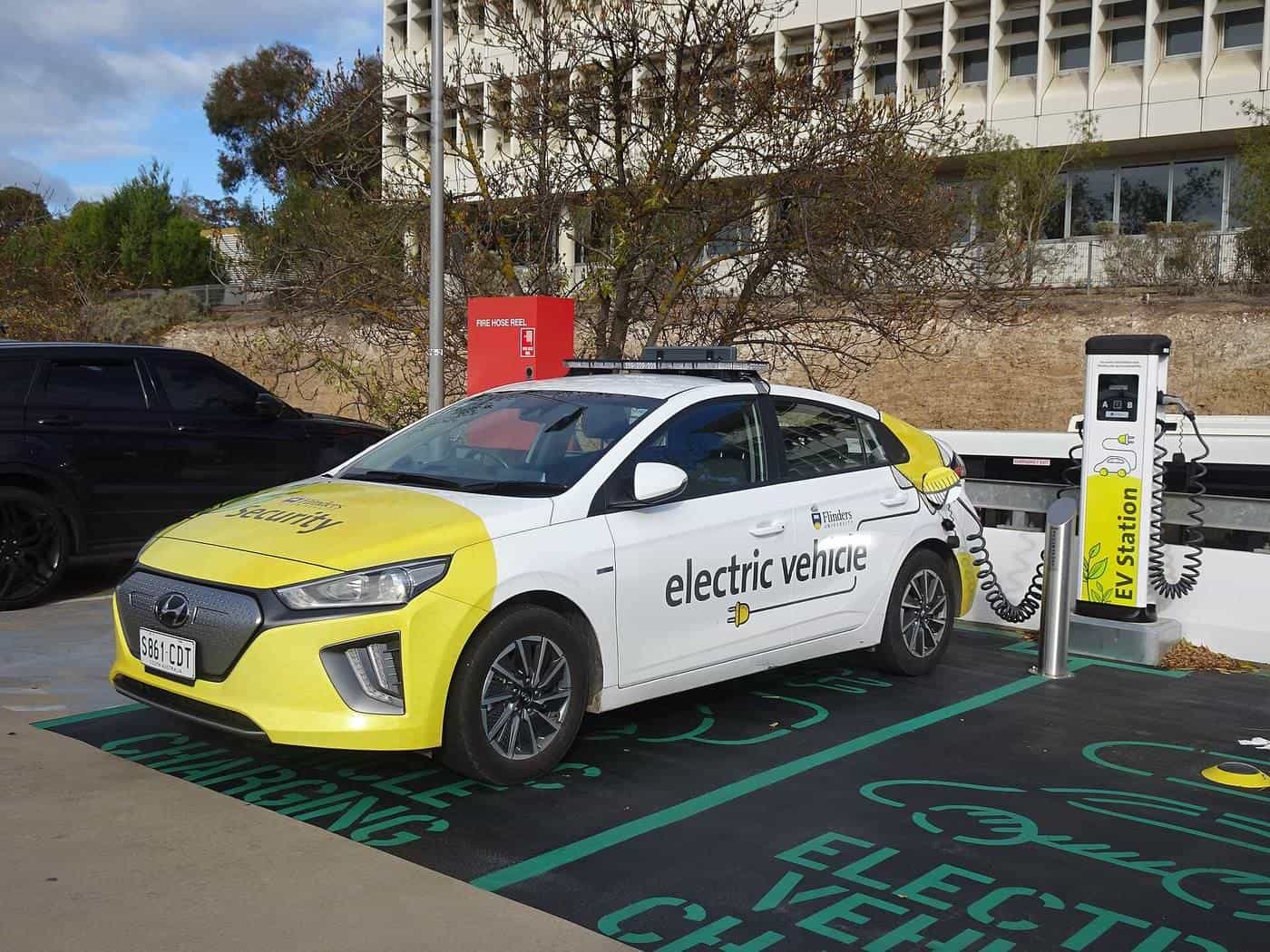
What is the difference between a BEV, a PHEV and a "self-charging" hybrid? How far will an EV really go, and what affects range? What should you check before buying one second-hand, and how do you work out what it will cost to run? Our electric cars section answers these questions with official Australian information and simple methods you can apply to your own situation.
Start with types of electric vehicles explained, then read about range and batteries, buying a used EV and working out running costs.
Charging
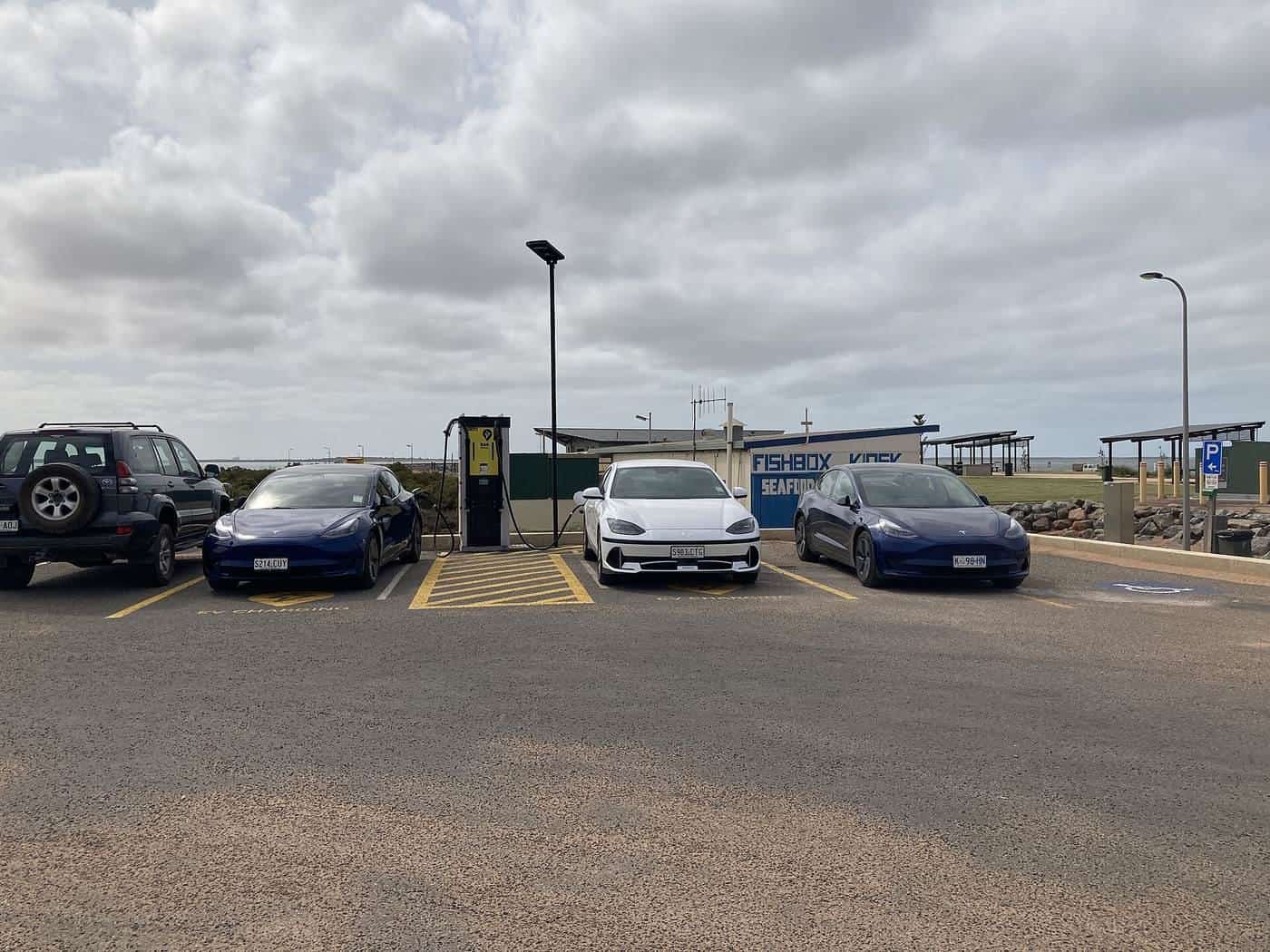
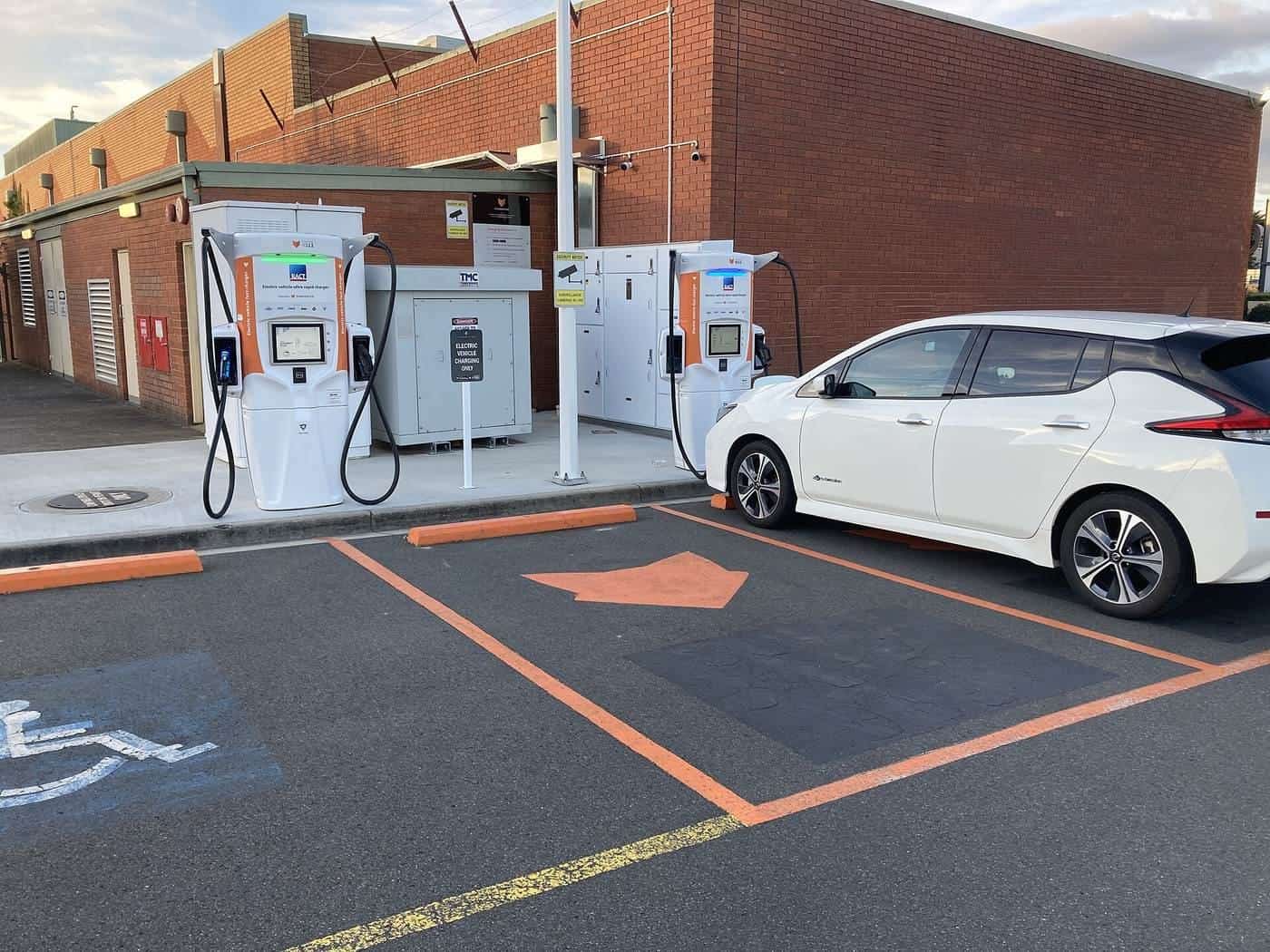
For most owners, charging happens at home: energy.gov.au says around 80% of reported EV charging in Australia does. Our charging section explains standard power points versus wall chargers, public AC and DC charging and the plugs they use, how to get charging in an apartment or rental, and how to charge from your own rooftop solar.
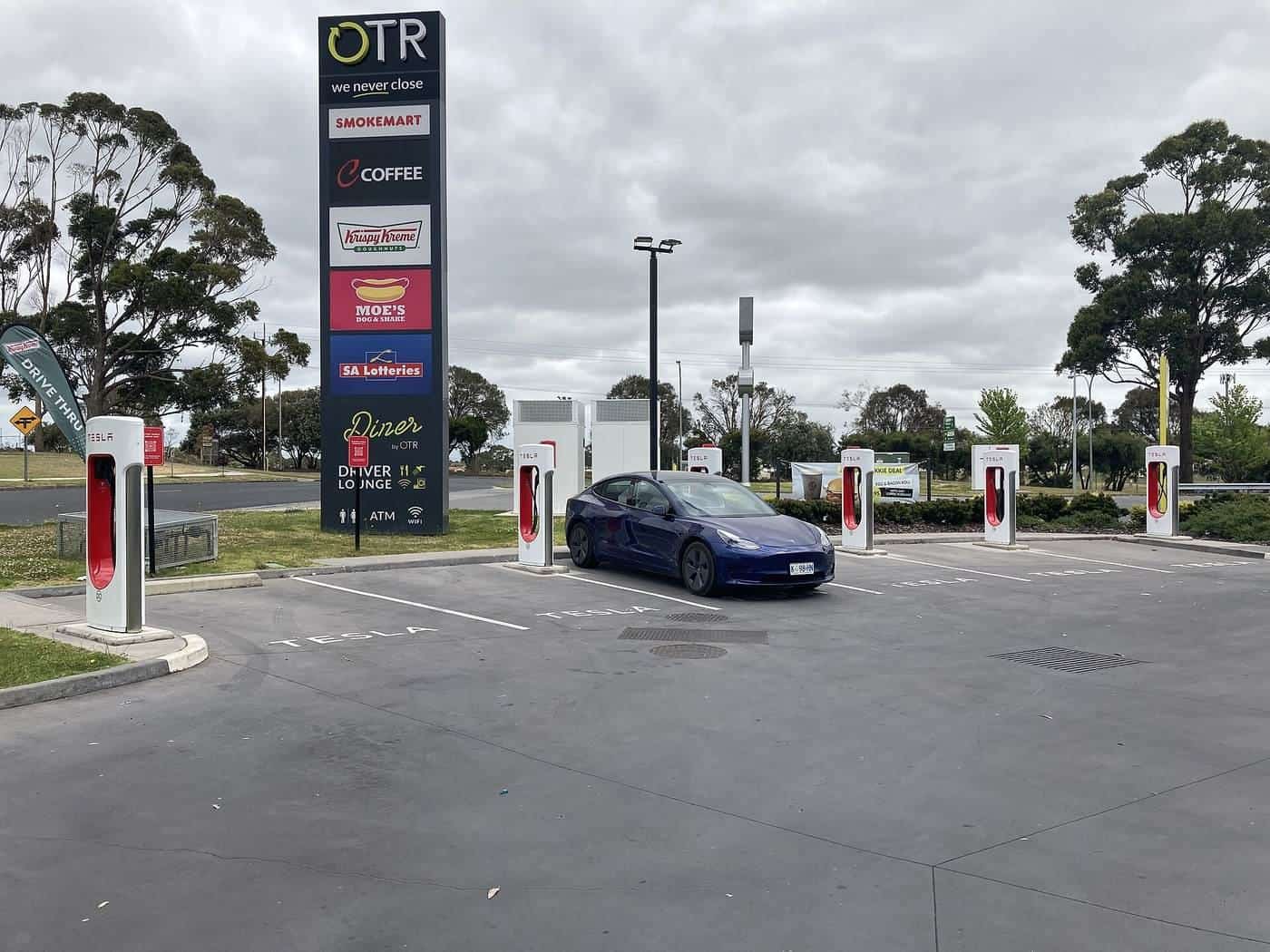
See charging at home, public charging and road trips, apartments and rentals and charging with solar.
Efficient driving
Greener driving isn't only about electric cars. Our efficient driving section explains how hybrids work and who they suit, practical habits that cut fuel use in any car, how to compare efficiency fairly using the Green Vehicle Guide, and how the fringe benefits tax exemption for eligible electric cars works.
Read hybrid cars explained, fuel-efficient driving tips, comparing car efficiency and novated leases and the EV tax exemption.
Try the charge time estimator
How long does it take to charge an electric car? It depends on how much energy you need and how fast the charger can deliver it. Our free estimator does the arithmetic for you. Enter your car's usable battery size, the current and target charge, and choose a charger: a standard power point, which energy.gov.au says supplies up to 2.4 kW, a home wall charger, or a DC fast charger. You'll get a rough charging time, and if you add your electricity rate from your bill, a rough energy cost. It uses only the numbers you enter and assumes about 10% charging losses.
A few principles
Start with where you'll charge. The single biggest factor in whether an EV suits you is access to charging, especially at home. If you can plug in where you park overnight, owning an EV is usually simple.
Use your own numbers. Generic claims about running costs rest on assumptions about electricity prices, fuel prices and driving that may not match yours. Our guides show you how to do the sums yourself.
Compare official figures. The Green Vehicle Guide is the Australian Government's official national guide to vehicle fuel consumption and environmental performance. It lets you compare cars across brands and fuel types on the same basis.
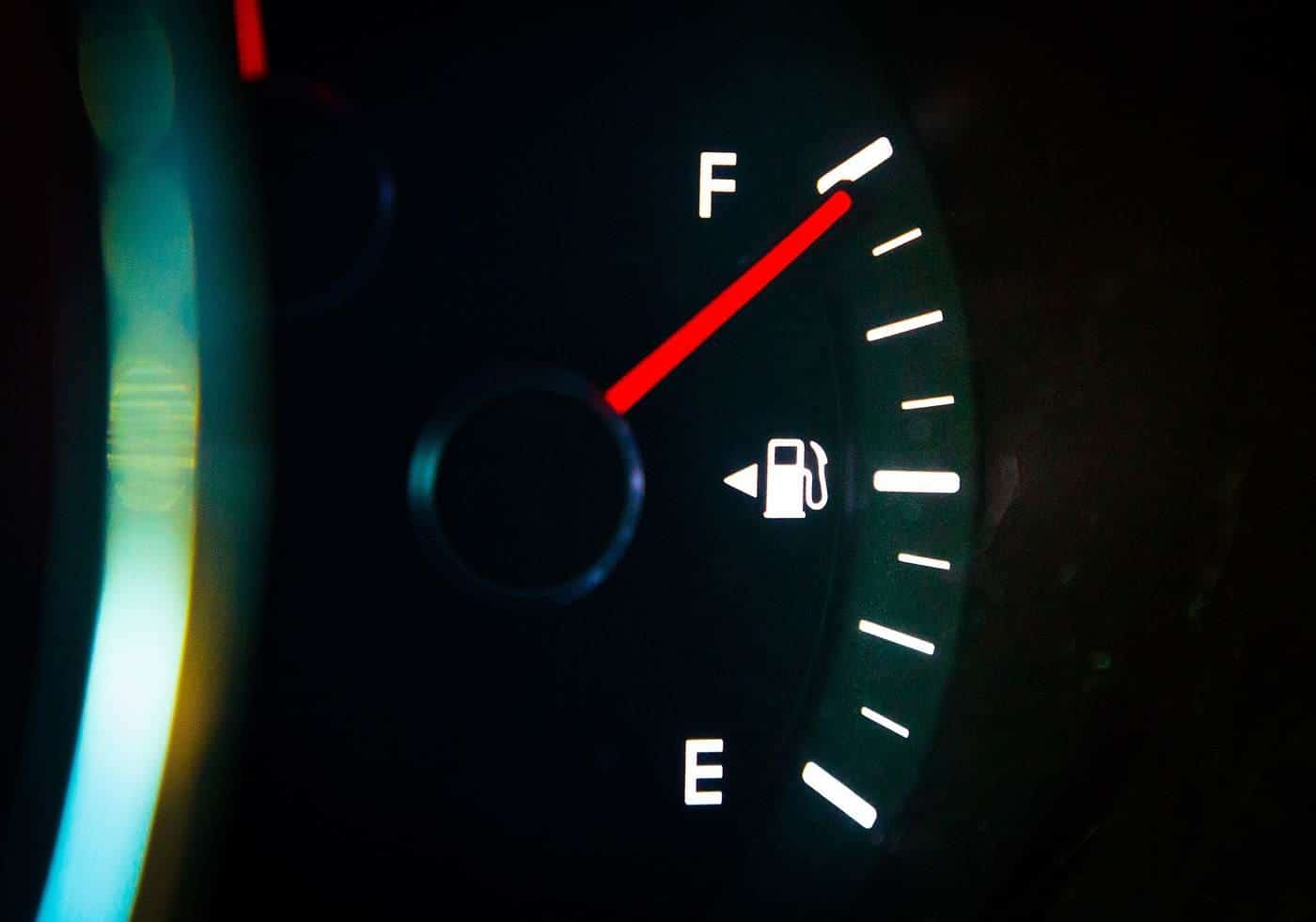
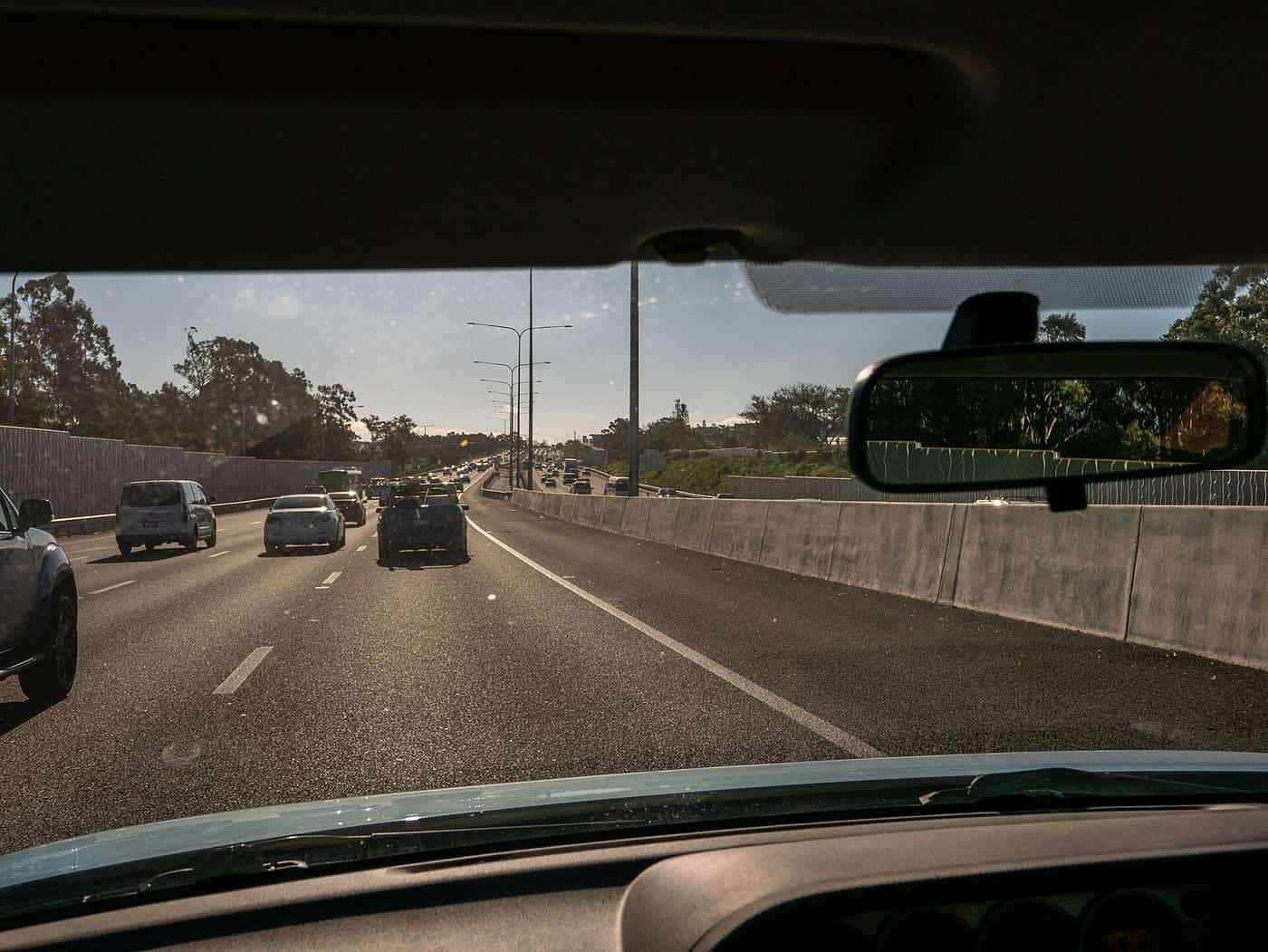
Don't forget the car you already own. Driving smoothly, keeping to moderate speeds, keeping tyres inflated and removing unused roof racks can all reduce fuel use. The Green Vehicle Guide says a car can use up to 25% more fuel at 110 km/h than at 90 km/h.
Read labels carefully. "Hybrid" can mean very different things. Energy.gov.au notes that mild hybrids can't drive the car on electric power alone and offer smaller savings than full hybrids.
Who these guides are for
Our guides are for everyday Australian drivers: people thinking about their first electric or hybrid car, new EV owners working out charging, apartment dwellers wondering how to plug in, employees considering a novated lease, and anyone who wants to use less fuel. We assume no technical knowledge and explain terms like kW, kWh, Type 2 and CCS2 as we go.
How we write our guides
We research each guide from primary sources, mainly the Green Vehicle Guide, energy.gov.au, the Australian Taxation Office, the New Vehicle Efficiency Standard Regulator and state energy agencies, and we list those sources on every page. We don't publish invented statistics, prices or quotes. Where something depends on your circumstances, such as tax, finance or electrical work, we say so and suggest where to get professional advice. Read our editorial policy for more.
Important note
Green Car Guide provides general information only. It isn't financial, tax, legal or electrical advice. Rules, rebates and prices change, so check official sources for the latest information, use licensed electricians for electrical work, and get advice for your situation before making major decisions.
Key points
- Independent, plain-English guides to electric, hybrid and efficient cars in Australia.
- Most EV charging happens at home; start by working out where you'll charge.
- Use official figures and your own numbers to compare costs.
- Simple driving habits cut fuel use in any car.
- Try the free charge time estimator for a rough charging time and cost.