As more electric cars come off leases and fleets, the second-hand market is growing. A used EV can be a sensible way to lower the purchase cost, but the checks are different from a petrol or diesel car. There's no oil to inspect or timing belt to worry about, but the battery deserves close attention, and you'll want to confirm the car comes with the right charging gear and that its warranty still applies. This guide sets out a practical checklist.
SoH
Battery health
Ask for a dated report
PPSR
Finance check
ppsr.gov.au
ACL
Consumer guarantees
Apply to dealer sales
Start with your needs
Before you look at listings, be clear about what you need the car to do. Write down your typical daily distance, your longest regular trip, and whether you can charge at home. An older EV with a modest battery can be ideal for city commuting with home charging, but frustrating if you regularly drive long distances in regional areas. Energy.gov.au's guidance on preparing to buy an EV suggests thinking about your driving patterns, charging access and budget first.
When you compare range, look at what the car can do today, not what it could do when new, and allow a margin for winter, highway speeds and further gradual battery ageing.
Battery health: the most important check
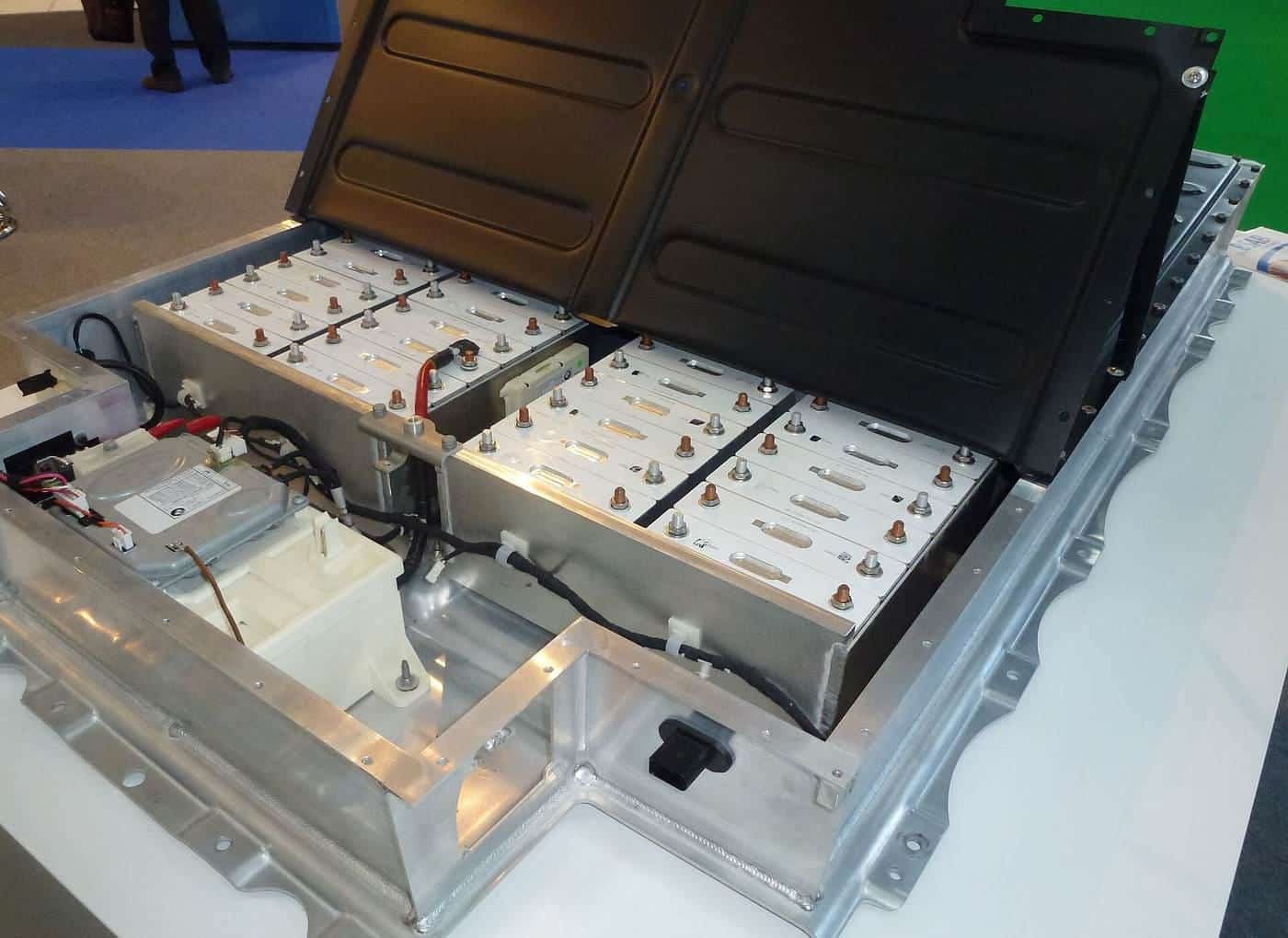
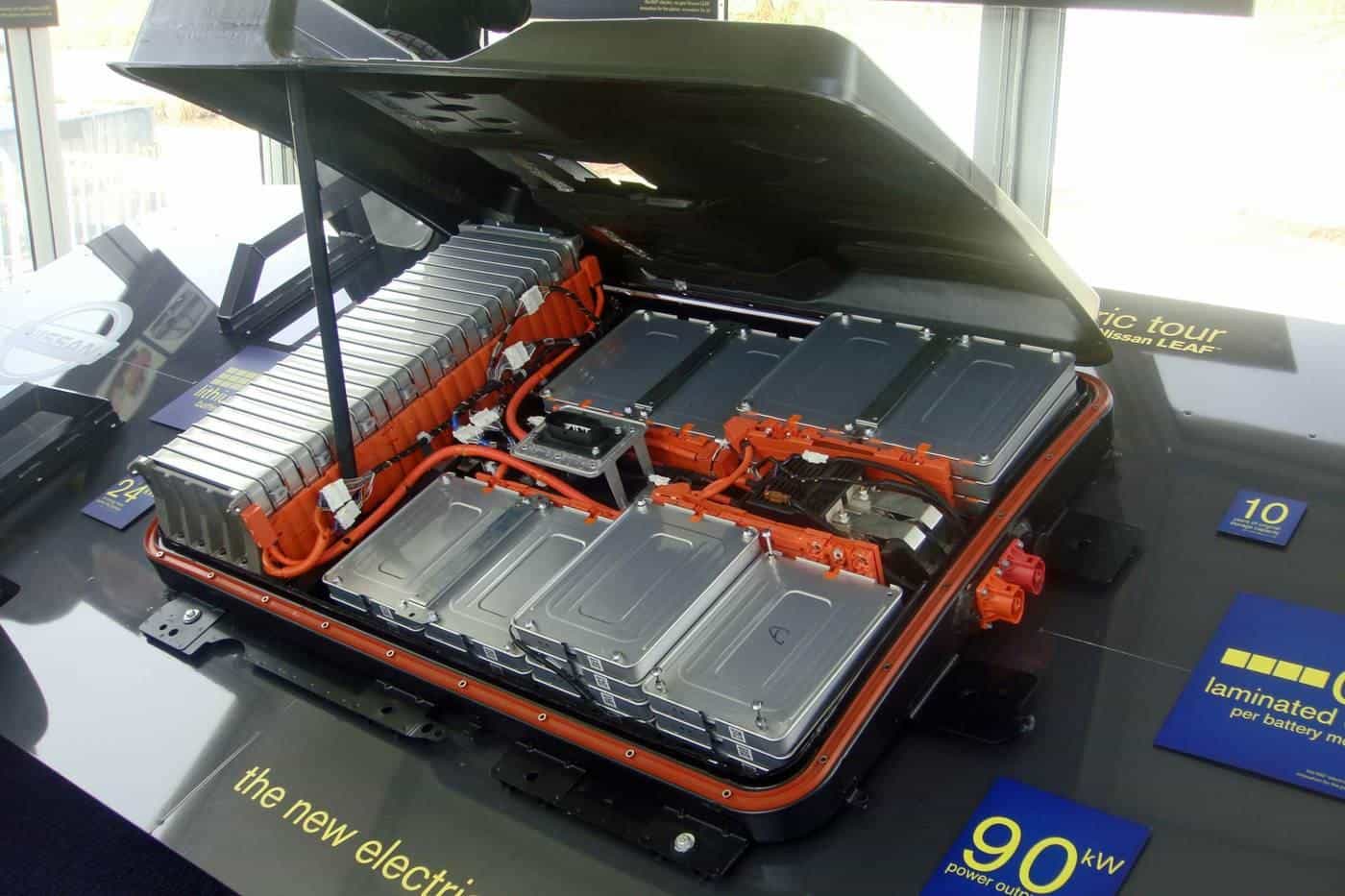
The battery is the most valuable part of an EV, so its condition largely determines the car's value and usefulness.
State of health (SoH) is usually expressed as a percentage of the battery's original usable capacity. Some cars show an SoH figure or bars in the instrument cluster or menus. Otherwise, a dealer, independent EV specialist or diagnostic tool can produce a report.
Practical steps:
- Ask for a recent battery report that shows the VIN, the date and the odometer reading, so you know it relates to this car.
- Compare the range estimate at full charge with the model's original figure, keeping in mind that estimates depend on recent driving.
- Ask about charging history. How was the car usually charged? Mostly at home on AC, or mainly at DC fast chargers? Was it often left fully charged or flat for long periods?
- Check for warning lights and any battery-related service campaigns or recalls.
- Test drive with a mix of speeds and watch how quickly the charge percentage falls.
Our guide to EV range and batteries explains what affects battery ageing.
Warranty: what remains and whether it transfers
Most manufacturers provide a battery warranty separate from the general new-car warranty, usually expressed in years and kilometres with a minimum capacity threshold. For a used car, check:
- the start date of the warranty (normally the first registration date, not the build date);
- how many years and kilometres remain;
- the minimum capacity the manufacturer guarantees;
- whether the warranty transfers to subsequent owners;
- any conditions, such as servicing at set intervals or installing software updates.
The manufacturer or a franchised dealer can usually confirm warranty status using the VIN. Get any important confirmation in writing.
Charging equipment and connectors
Make sure the car comes with what you'll need to charge it.
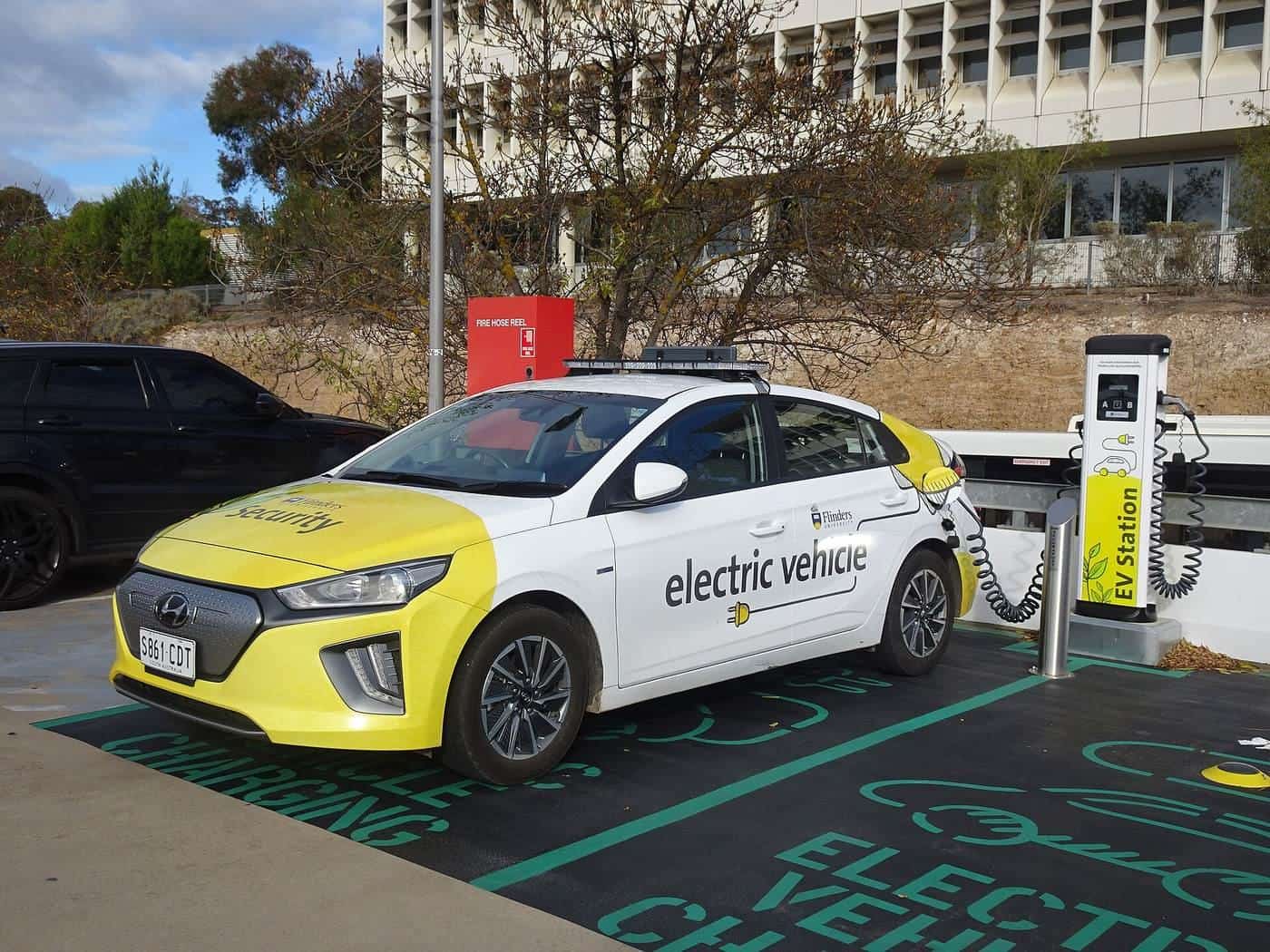
- Portable charging cable. Many EVs are supplied with a cable that plugs into a standard power point. Energy.gov.au notes you can charge from a standard power point with an appropriate cable. Check it's included and in good condition.
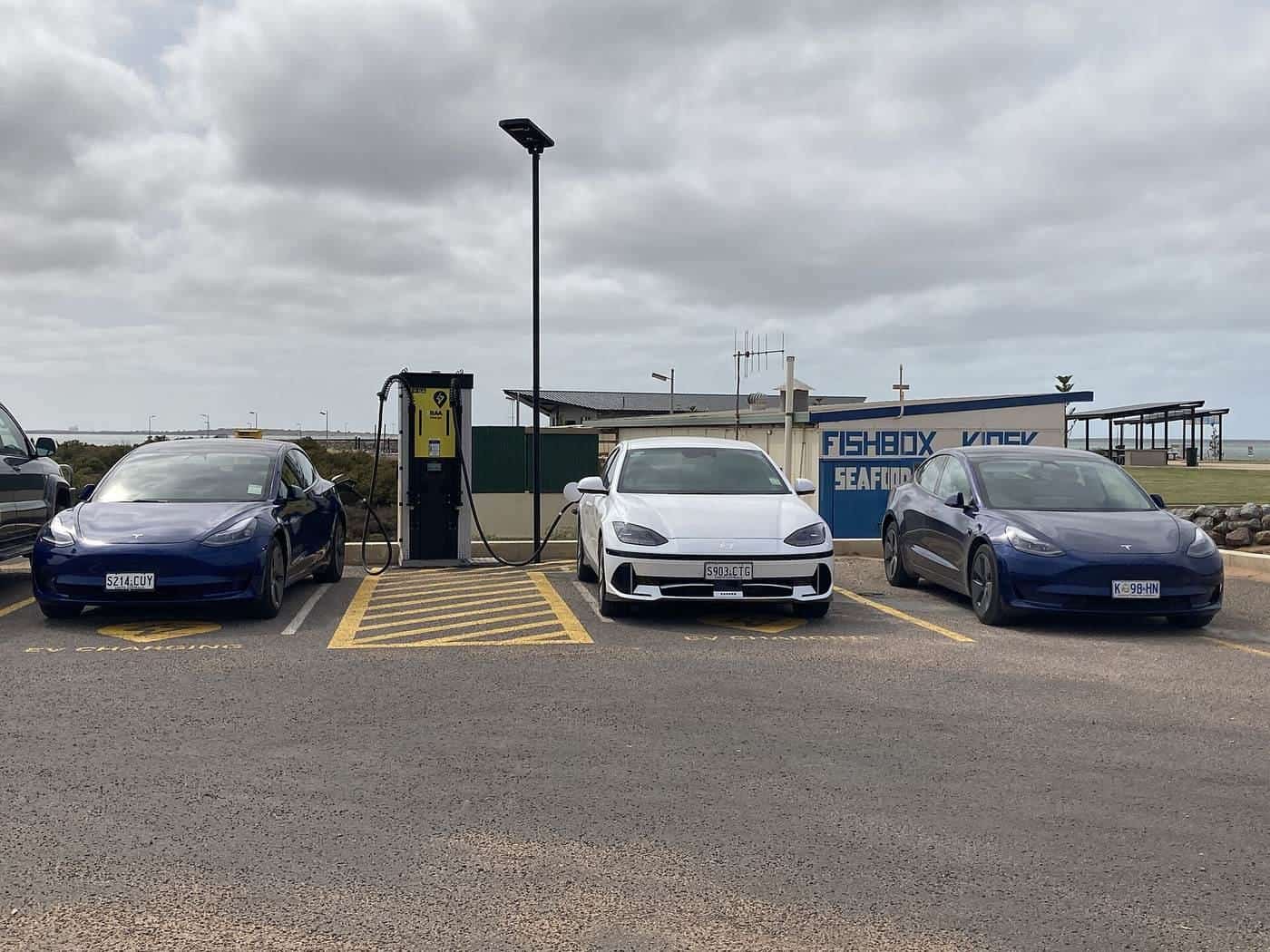
- Type 2 cable for public AC charging. Energy.gov.au says most public AC chargers in Australia use Type 2 plugs and usually don't have a cable attached, so you need to bring your own. It recommends a cable of at least 5 metres.
- DC fast-charging connector. Energy.gov.au says CCS2 is the standard plug for DC fast charging in Australia. Some early EVs use the older CHAdeMO standard, which has far fewer public chargers. Check which connector the car has before you buy, especially if you plan longer trips.
- Maximum charging speeds. Older or cheaper models may accept lower AC and DC charging power, which means longer stops.
Standard used car checks still apply
An EV is still a car, so the usual checks matter:
- PPSR search. The Personal Property Securities Register lets you check whether there is money owing on a vehicle and whether it has been recorded as written off or stolen. It's an official government search with a small fee.
- Service history. EVs need less routine maintenance than petrol cars, but they still need servicing for brakes, tyres, suspension, cabin filters, coolant and software.
- Tyres and brakes. EVs are often heavier than equivalent petrol cars and can wear tyres faster. Regenerative braking means brake pads may last a long time but discs can corrode if rarely used hard.
- Body and underside. Look for damage to the underside, where the battery sits. Ask about any accident history.
- Inspection. Consider an independent pre-purchase inspection by someone experienced with EVs.
Your consumer rights
The ACCC explains that consumer guarantees under the Australian Consumer Law apply when you buy a car from a business, including a used car dealer. Some states and territories also have statutory warranties for used cars bought from licensed dealers, depending on the car's age and kilometres. Buying privately or at auction gives you fewer protections. Your state or territory fair trading agency has details for where you live.
Questions to ask the seller
- Why are you selling the car?
- Can you provide a recent battery health report with the VIN?
- How was it mostly charged, and where?
- Is there any remaining battery or new-car warranty, and has it been serviced as required?
- What cables and accessories come with it?
- Has it had any accidents, repairs or battery work?
- Are there any outstanding recalls or software updates?
Running costs to factor in
A used EV's running costs depend mainly on where you charge, your electricity plan, insurance, registration and tyres. Some states and territories offer registration or stamp duty concessions for EVs, according to the Green Vehicle Guide, so check your state transport agency. Our guide to EV running costs explains how to compare costs using your own numbers rather than generic averages.
Setting up charging at home
If you buy a used EV, think about how you'll charge it from day one. Many owners start with the portable cable and a standard power point, which energy.gov.au says supplies up to 2.4 kW. If that's too slow for your driving, a licensed electrician can install a dedicated charger. Use our charge time estimator to see whether a standard power point is enough for your daily distance.
Red flags
Walk away, or investigate further, if:
- the seller won't provide a battery report or let you see the battery health;
- the range at full charge is far below what you'd expect for the car's age;
- warning lights appear, or the car limits power unexpectedly;
- the PPSR search shows finance owing or a write-off record;
- the charging cable is missing or damaged and the price doesn't reflect it.
Key points
- Check battery health with a dated report tied to the VIN.
- Confirm how much battery warranty remains and whether it transfers.
- Check the DC connector type and that the charging cables are included.
- Do a PPSR search and the usual mechanical and body checks.
- Dealer sales carry consumer guarantees; private sales offer fewer protections.
Frequently asked questions
What is the most important check on a used EV?
The battery. Ask for a recent battery state of health report that shows the car's VIN, date and odometer reading, and check how much of the battery warranty remains.
Does the battery warranty transfer to a new owner?
Often, but not always. Check the manufacturer's warranty terms for that model, including any conditions about servicing, using the car's VIN.
Should I do a PPSR check on a used EV?
Yes. A PPSR search through the official Personal Property Securities Register shows whether money is owed on the car and whether it has been recorded as written off or stolen, just as for any used car.
Do I get consumer guarantees when buying a used EV?
When you buy from a dealer, consumer guarantees under the Australian Consumer Law apply, and some states have statutory warranties for used cars from licensed dealers. Private sales give you fewer protections. Check your state's fair trading agency.
Will an older EV have enough range?
That depends on your driving. Work out your longest regular trip and compare it with the car's real-world range today, allowing for some further battery ageing and highway or winter conditions.
Sources and further reading
Facts on this page were checked against these primary and official sources. Conditions change — confirm before you travel or buy.
- Preparing to buy an electric vehicle — energy.gov.au
- Personal Property Securities Register — Australian Financial Security Authority
- Buying a car — ACCC
- Electric vehicle charging equipment — energy.gov.au