Hybrid cars have been on Australian roads for more than two decades, and they remain a popular way to use less fuel without changing how you refuel. The Green Vehicle Guide describes hybrids as a cheaper alternative to a fully electric vehicle that offers better fuel economy and lower environmental impact than a standard petrol or diesel car. This guide explains how they work, where they shine, and how to tell which kind of hybrid you're looking at.
2 types
On the Green Vehicle Guide
HEV and PHEV
~½
48V mild hybrid savings
Of a full hybrid (energy.gov.au)
Low speed
Electric-only driving
Standard hybrids
The basic idea
A hybrid combines a petrol or diesel engine with one or more electric motors and a battery. The car's computer decides moment by moment whether to use the engine, the motor or both, aiming to use the least fuel. The key tricks are:
- Regenerative braking. When you slow down or lift off the accelerator, the motor works as a generator and turns some of the car's movement back into electricity, instead of losing it all as heat in the brakes. The Green Vehicle Guide describes this kinetic energy being converted into electrical power that charges the battery.
- Electric assistance. The motor helps the engine when accelerating, so a smaller or more efficient engine can be used.
- Electric-only running at low speed. The Green Vehicle Guide says standard hybrids run on electric power only at low speeds, such as creeping in traffic or in car parks.
- Engine stop-start. The engine switches off when it isn't needed, such as when stopped at lights.
The two hybrid types on the Green Vehicle Guide
The Green Vehicle Guide lists two types of hybrid vehicles.
Non-plug-in hybrids (HEVs)
These don't need to be plugged in. The Green Vehicle Guide explains they use electricity generated by driving the car, such as from braking or when you stop accelerating, to recharge the battery. Energy.gov.au adds that the engine also charges the battery during operation. On the Green Vehicle Guide, their fuel type is shown as "electric/petrol" or "electric/diesel".
Energy.gov.au notes HEVs produce more emissions and can be more expensive to run than battery electric vehicles because they rely on conventional fuel, but they offer lower emissions and better fuel efficiency than conventional petrol or diesel cars.
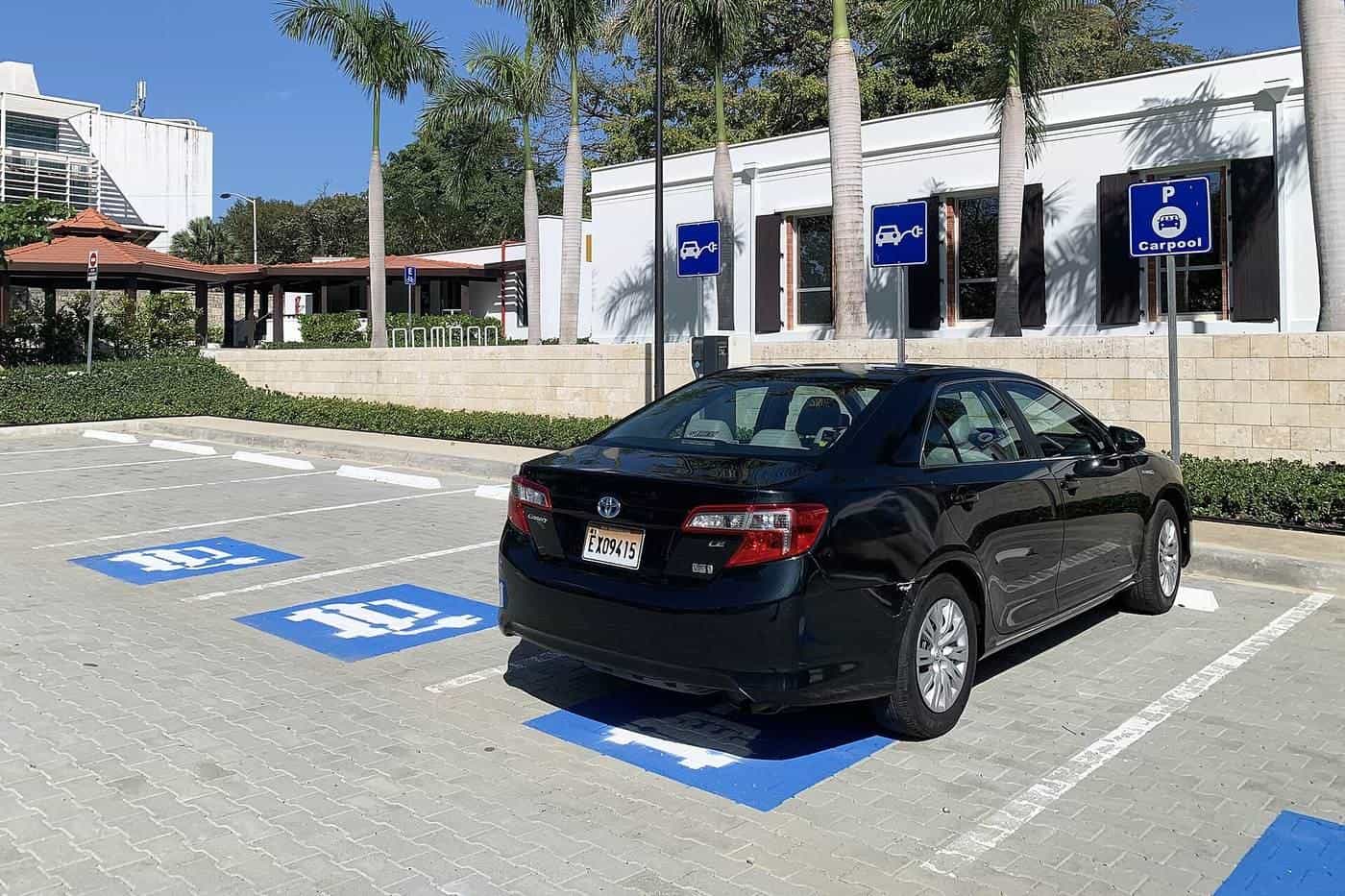
Plug-in hybrids (PHEVs)
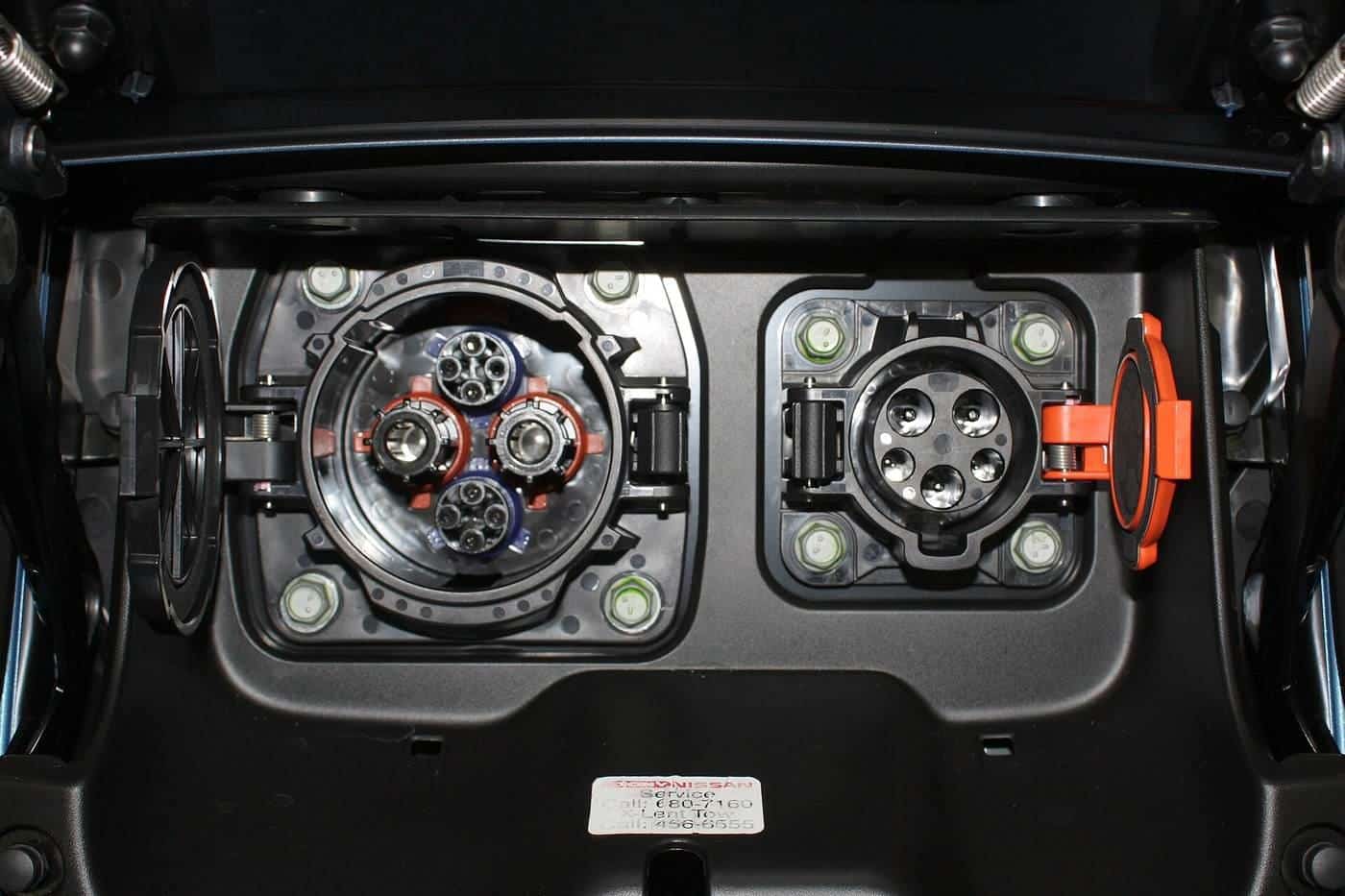
Plug-in hybrids have a larger battery that can be charged from a power outlet or charging station, as well as a petrol or diesel engine. The Green Vehicle Guide says they can travel further on electric power than non-plug-in hybrids. Energy.gov.au says a PHEV battery typically gives less than 100 km of electric range, after which the engine powers the car. Their fuel type on the Green Vehicle Guide is "plug-in electric/petrol" or "plug-in electric/diesel".
The Green Vehicle Guide's hybrid guide points out that fuel consumption will be higher when the battery is low. In other words, a plug-in hybrid only delivers its best results if you plug it in.
Mild hybrids: read the fine print
Some manufacturers advertise mild hybrid electric vehicles (MHEVs). According to the Green Vehicle Guide, these use a combustion engine to propel the vehicle but may have a small electric motor or energy-capturing technology to improve performance or efficiency. Energy.gov.au says the motor in a mild hybrid can't drive the car on its own, and that 48-volt systems provide around half the fuel savings of a full hybrid, with 24-volt and 12-volt systems less effective.
If a mild hybrid's motor can't propel the car, the Green Vehicle Guide lists it with a conventional fuel type such as "Petrol 95RON". So don't rely on the "hybrid" badge; compare the official fuel consumption figure.
Where hybrids save the most fuel
Because they recover energy when slowing and can run on electricity at low speeds, standard hybrids typically save the most fuel in:
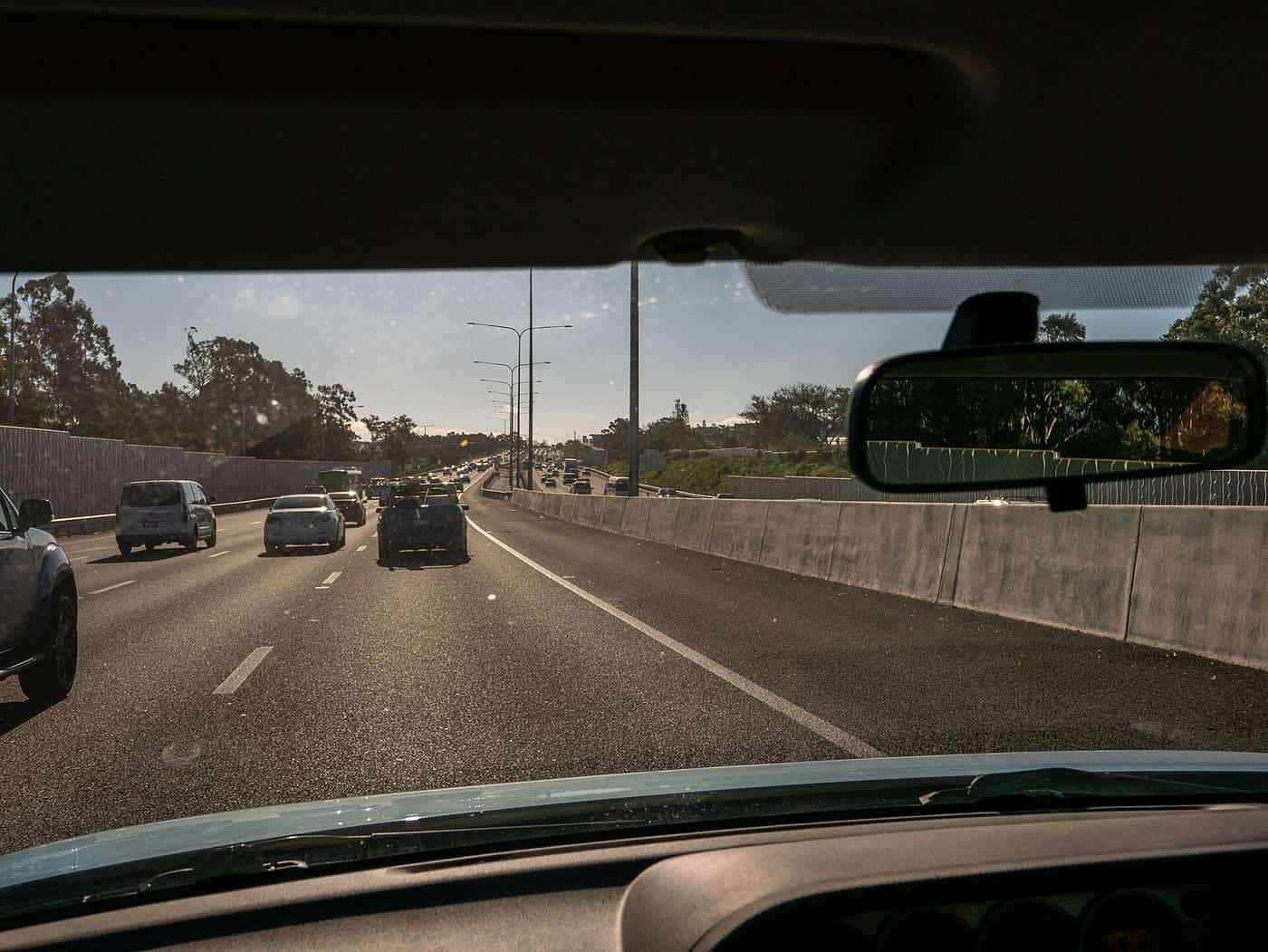
- city and suburban stop-start traffic;
- short trips with frequent braking;
- congested commutes.
On long, steady highway runs, there's less braking energy to recover and the engine does most of the work, so the advantage over an efficient conventional car tends to be smaller. Plug-in hybrids are different again: on short trips within their electric range, they may use little or no fuel if charged regularly.
Driving a hybrid efficiently
A few habits help a hybrid deliver its best:
- Accelerate gently. Smooth acceleration lets the electric motor do more of the work.
- Anticipate and coast. Lifting off early and braking gently gives the regenerative system time to recover energy, instead of relying on the friction brakes.
- Use eco mode if it suits your driving.
- Watch the energy display. Most hybrids show when you're using electric power or recovering energy, which helps you learn efficient habits.
- For plug-in hybrids, charge often. Use the electric range for daily trips.
Our fuel-efficient driving tips cover habits that help any car.
Maintenance and batteries
Energy.gov.au rates maintenance costs for hybrids and plug-in hybrids as high, the same as petrol and diesel cars, because they still have an engine that needs oil changes and other servicing, as well as an electric system. Hybrid batteries are designed to last and are covered by manufacturer warranties; check the terms for the specific model, especially when buying used. Regenerative braking can reduce brake wear.
Hybrid or EV?
A hybrid may make more sense than a battery electric car if:
- you can't charge at home or work;
- you regularly drive long distances in areas with few fast chargers;
- you tow heavy loads long distances;
- your budget doesn't stretch to a suitable EV.
A battery EV may make more sense if you can charge at home, your daily driving fits its range comfortably, and you want the lowest running costs and emissions. Energy.gov.au's comparison rates BEVs as lower in emissions and charging costs (when charging at home) than hybrids. Our guide to types of electric vehicles compares them side by side.
Tax note for plug-in hybrids
From 1 April 2025, the ATO says plug-in hybrids are no longer treated as zero or low emissions vehicles for the fringe benefits tax electric car exemption, except where a pre-existing commitment meets specific conditions. See novated leases and EV tax.
Comparing hybrid models
The Green Vehicle Guide's search and compare tool lists the official fuel consumption, emissions and, for plug-in hybrids, electric range of each model. Comparing hybrids against efficient petrol models and EVs using the same source gives a fair picture. See our guide to comparing car efficiency.
Key points
- Hybrids combine an engine with an electric motor and battery.
- Standard hybrids recharge while driving and can't be plugged in.
- Plug-in hybrids have more electric range but need regular charging to deliver savings.
- Mild hybrids offer smaller savings; some can't drive on electric power.
- Hybrids save most in stop-start driving.
Frequently asked questions
How does a hybrid car charge its battery?
The Green Vehicle Guide says non-plug-in hybrids use electricity generated by driving the car, such as from braking or when you stop accelerating, to recharge the battery. Energy.gov.au adds that the engine also charges it.
Do hybrids need to be plugged in?
Standard hybrids don't and can't be plugged in. Plug-in hybrids can be charged from a power point or charger, and work best when charged regularly.
Are hybrids cheaper than electric cars?
The Green Vehicle Guide describes hybrids as a cheaper alternative to a fully electric vehicle, with better fuel economy and lower environmental impact than a standard petrol or diesel car.
Where do hybrids save the most fuel?
Hybrids tend to work best in stop-start driving, where regenerative braking recovers energy and the car can run on electric power at low speeds. Savings are usually smaller on long highway runs.
Is a mild hybrid the same as a hybrid?
No. Energy.gov.au says a mild hybrid's motor and battery support the engine but can't drive the car, and that 48-volt mild hybrids offer around half the fuel savings of a full hybrid.
Sources and further reading
Facts on this page were checked against these primary and official sources. Conditions change — confirm before you travel or buy.
- Hybrid vehicle information — Green Vehicle Guide
- Hybrid electric vehicle guide (PDF) — Green Vehicle Guide
- Types of electric vehicles — energy.gov.au
- Types of electric vehicles explained — Green Vehicle Guide