Charging is the part of EV ownership that's most different from a petrol car, and the part people most want to understand before they buy. The good news is that for most owners it quickly becomes routine: plug in when you get home, unplug in the morning. Energy.gov.au says around 80% of reported EV charging in Australia happens at home. For everything else there are public chargers, workplace chargers and, increasingly, apartment buildings that are "EV ready".
This section explains each option clearly, drawing on energy.gov.au, the Green Vehicle Guide, state energy agencies and the Electric Vehicle Council's home charging guidance.
Guides in this section
- Charging an electric car at home: standard power points versus wall chargers, installation, smart charging and the best times to charge.
- Public EV charging and road trips: AC and DC chargers, Type 2 and CCS2 plugs, finding and paying for charging, etiquette and trip planning.
- Charging in apartments and rentals: strata approvals, building capacity, landlords and public alternatives.
- Charging an EV with rooftop solar: daytime charging, solar-aware chargers, home batteries and what to do if you work days.
Charging levels in plain English
You'll see chargers described by "level" and by power in kilowatts (kW):
- Level 1, a standard power point. Energy.gov.au says it supplies a maximum of 2.4 kW. You just need an appropriate EV cable, which often comes with the car. It's slow, but it can cover many people's daily driving overnight.
- Level 2, a dedicated AC charger. At home, energy.gov.au says these supply 7 to 22 kW and can add between 30 and 80 km of range per hour. Public AC chargers at shopping centres and car parks work the same way. Your car's onboard charger sets the maximum AC rate; some EVs accept only 11 kW.
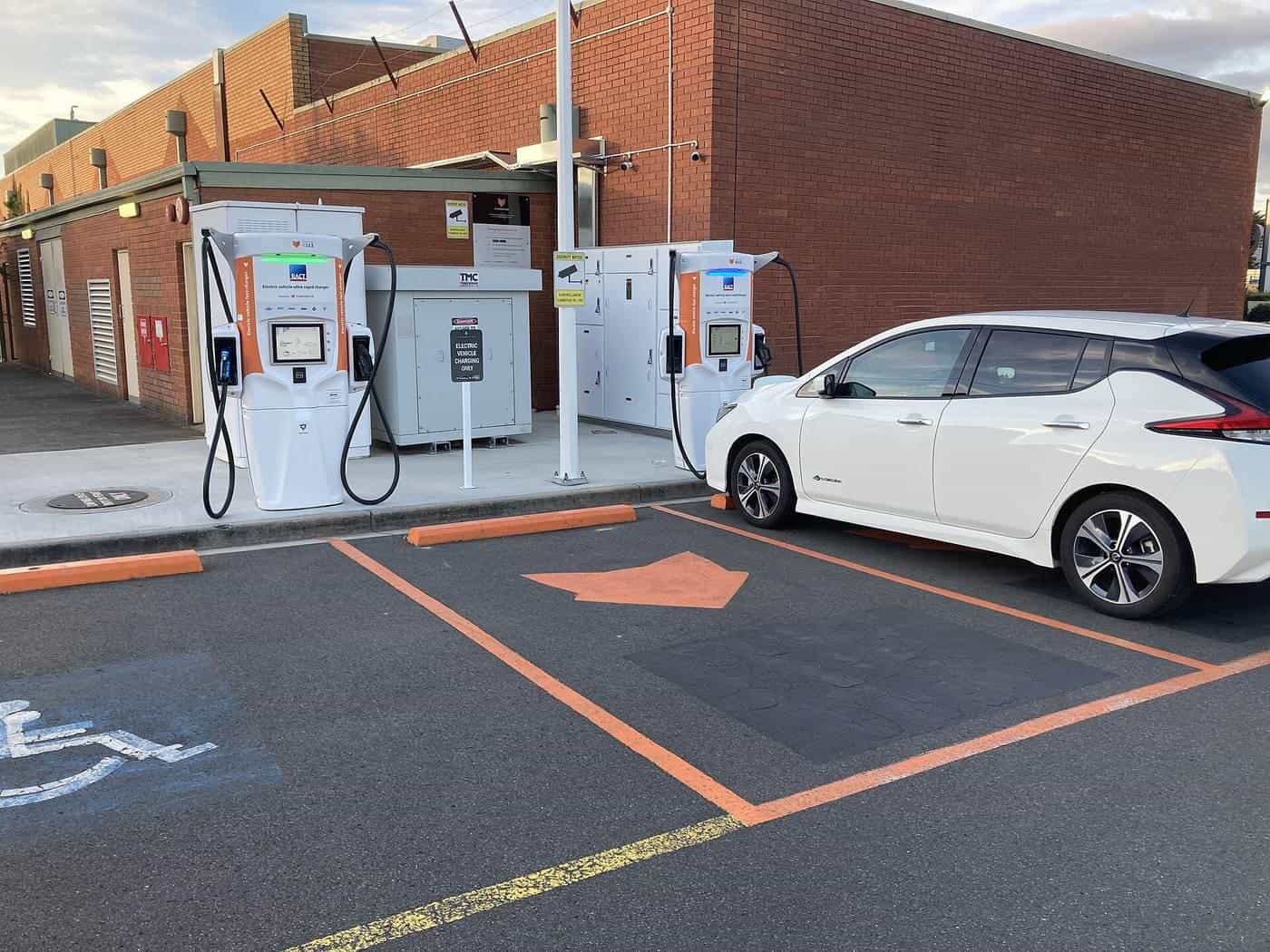
- DC fast charging. Found along highways and in towns, these deliver much more power. Energy.gov.au notes chargers that can charge a car to 80% in under 30 minutes are becoming more widely available.
Our charge time estimator lets you compare these with your own battery size and charge levels.
Plugs and cables
Energy.gov.au says most public AC chargers in Australia use Type 2 plugs and usually don't have a cable attached, so you should carry your own Type 2 cable, ideally at least 5 metres long. CCS2 is the standard plug for DC fast charging, and DC chargers always have the cable attached. Some older EVs use CHAdeMO, which has far fewer chargers.
What charging costs
The Green Vehicle Guide says the cost of charging depends on where you charge and that public charging is generally more expensive than charging at home. At home, your cost depends on your electricity plan. Energy.gov.au notes home charging can be the cheapest option, particularly with off-peak tariffs or rooftop solar. To work it out yourself, multiply the energy you add by your electricity rate and allow a little extra for charging losses. Our running costs guide explains how.
Timing your charging
When you charge matters for cost and for the electricity grid. NSW Climate and Energy Action suggests charging during the day if you have solar, and otherwise choosing a plan with cheaper off-peak rates and charging overnight. The Electric Vehicle Council's home charging guide suggests avoiding 3pm to 9pm where possible. Smart chargers and most EVs let you schedule charging, so you can plug in whenever you get home.
Safety first
- Have any dedicated charger installed by a licensed electrician; energy.gov.au says installation may require switchboard or supply upgrades.
- Use equipment carrying the Regulatory Compliance Mark, as NSW Climate and Energy Action advises.
- Don't use damaged cables, and avoid extension leads unless the manufacturer specifically allows them.
- In strata buildings, get approval before installing anything.
Rebates
Energy.gov.au says some state and territory governments offer rebates for buying and installing home EV chargers. Schemes open and close, so check your state energy website for what's currently available.
No driveway? You still have options
If you live in an apartment or rent, energy.gov.au says you may need permission from your strata body, and renters need their landlord's agreement. Our apartments and rentals guide explains how to make the case. In the meantime, workplace chargers, destination AC chargers and DC fast chargers can keep you moving, usually at a higher cost than home charging.
Planning longer trips
Public fast chargers make road trips possible. Plan stops with a buffer, check live availability in charging apps, carry your cables, and remember that charging slows above about 80%. Our public charging guide has a step-by-step trip planning checklist.
Key points
- Around 80% of EV charging in Australia happens at home.
- A standard power point gives up to 2.4 kW; a wall charger 7 to 22 kW.
- Public AC uses Type 2 plugs; DC fast charging uses CCS2.
- Home charging is generally cheaper than public charging, especially off-peak or with solar.
- Use licensed electricians and compliant equipment, and check for state rebates.
Guides in this section
Charging
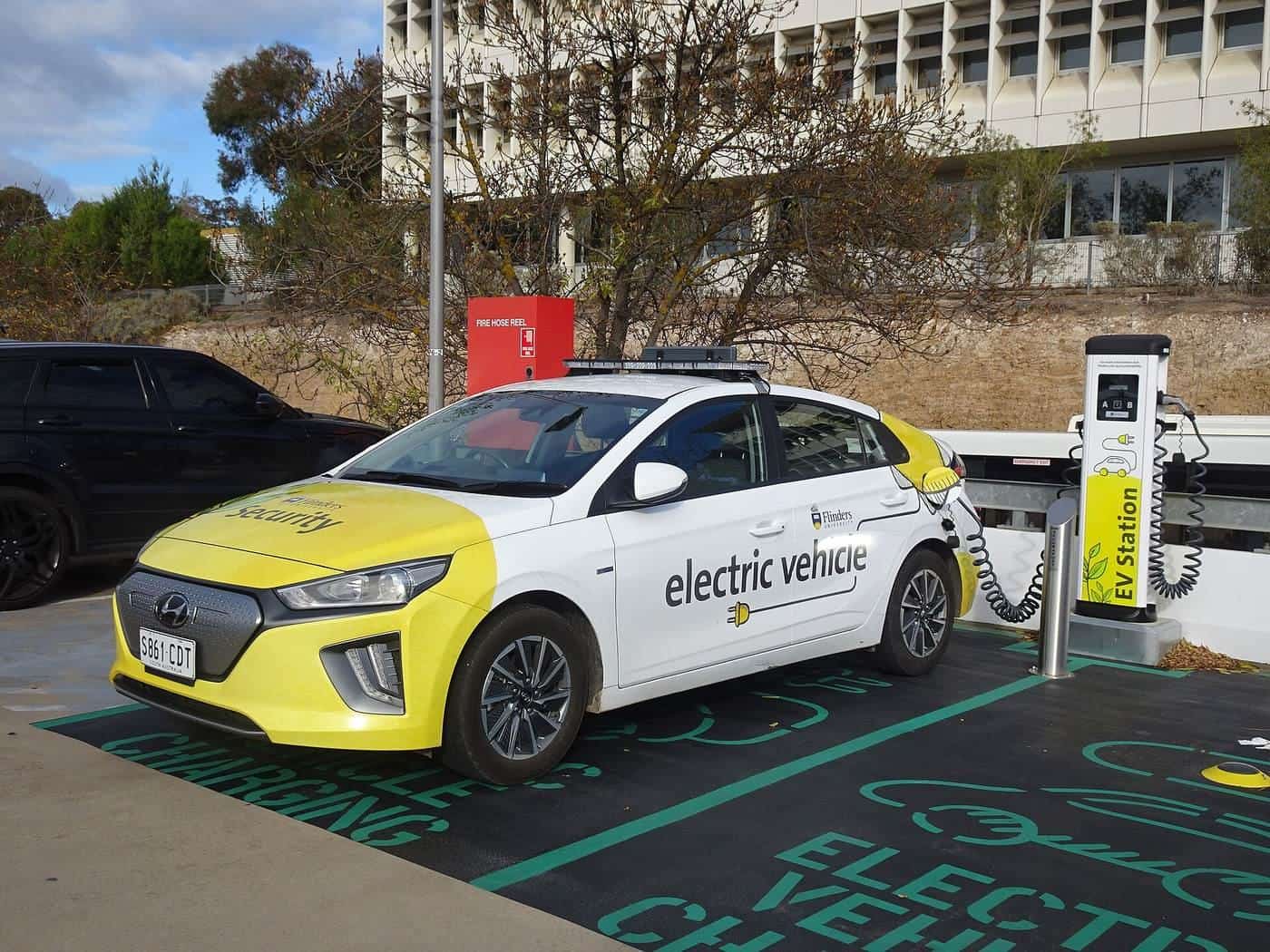
Charging an electric car at home
Home EV charging in Australia: standard power points vs wall chargers, installation, safety, smart charging and the best times to charge.
Read · 5 min
Charging
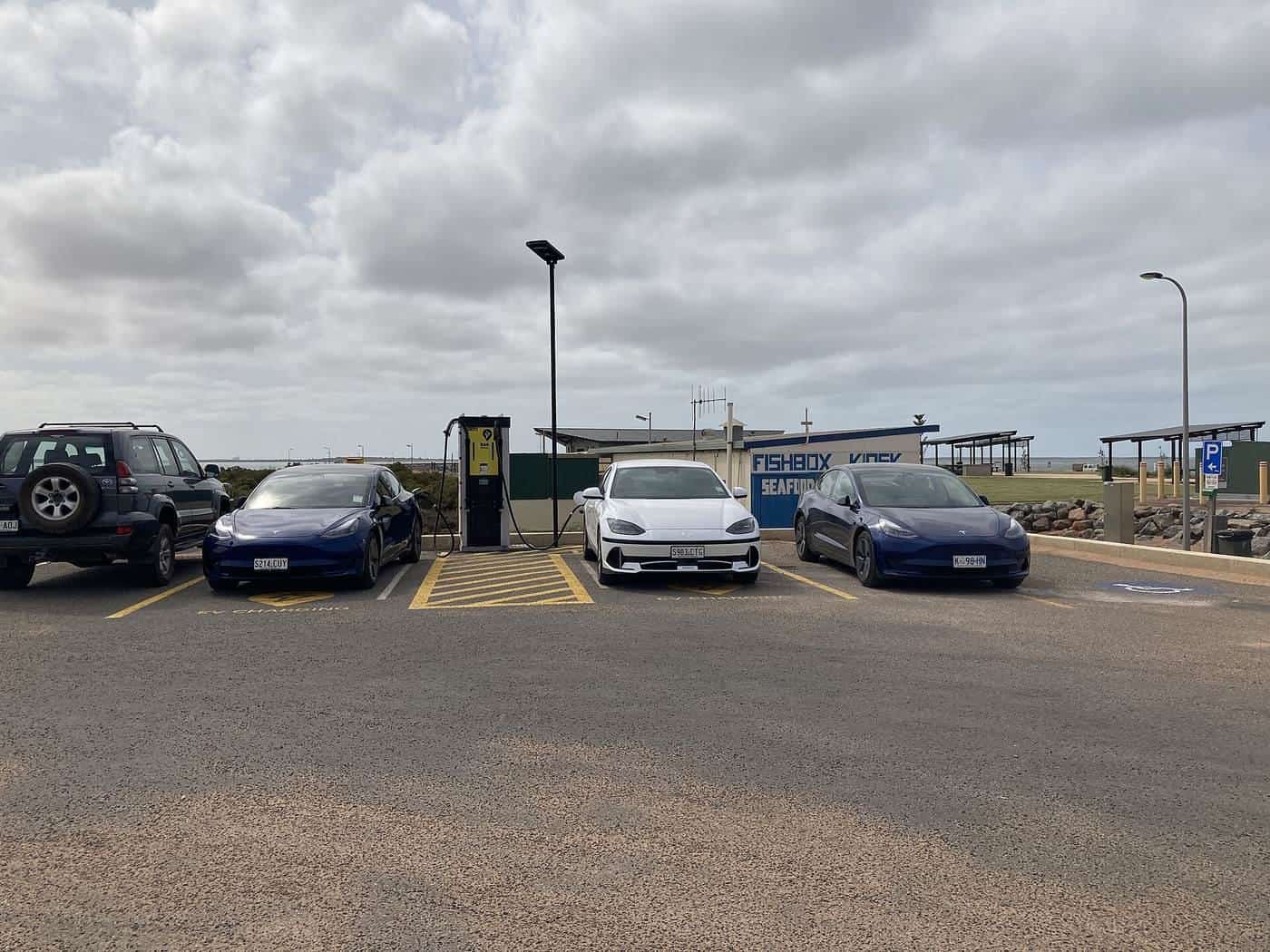
Public EV charging and road trips
Public EV charging in Australia: AC and DC chargers, Type 2 and CCS2 plugs, finding chargers, paying, etiquette and road trips.
Read · 5 min
Charging
Charging in apartments and rentals
How to get EV charging in an apartment or rental: strata approvals, building load, shared chargers, landlords and public options.
Read · 5 min
Charging
Charging an EV with rooftop solar
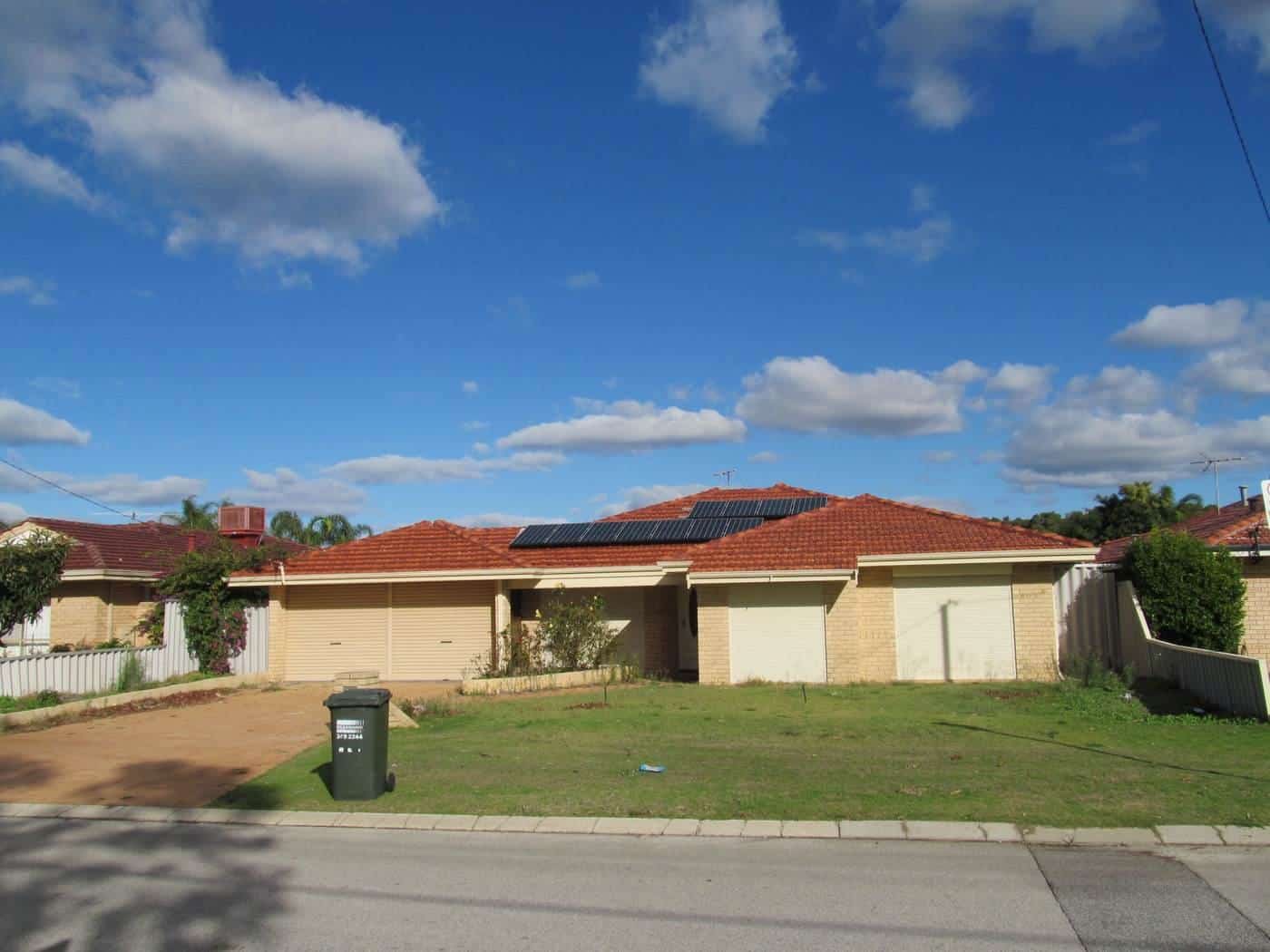
How to charge an EV from rooftop solar: daytime charging, solar-aware chargers, home batteries, feed-in tariffs and working days.
Read · 5 min
Frequently asked questions
What's the cheapest way to charge an EV?
Energy.gov.au says home charging can be the cheapest way, especially with off-peak tariffs or rooftop solar. The Green Vehicle Guide says public charging is generally more expensive than charging at home.
How long does it take to charge?
It depends on the charger power, your car and how much energy you need. A standard power point supplies up to 2.4 kW and a home wall charger 7 to 22 kW. Try our charge time estimator for a rough figure.
What plugs are used in Australia?
Energy.gov.au says most public AC chargers use Type 2 plugs and CCS2 is the standard plug for DC fast charging.
Who can install a home charger?
A dedicated home EV charger must be installed by a licensed electrician, according to energy.gov.au.
Sources and further reading
Facts on this page were checked against these primary and official sources. Conditions change — confirm before you travel or buy.
- How to charge your electric vehicle — energy.gov.au
- Electric vehicle charging equipment — energy.gov.au
- Charging options for houses and strata buildings — energy.gov.au
- EV charging at home (PDF) — Electric Vehicle Council