The greenest car is often the one you already own, driven well. How you drive, how you maintain your car and how you plan your trips can make a real difference to fuel use, running costs and emissions. The Green Vehicle Guide notes that your driving habits, the type of vehicle you drive and driving conditions all affect a vehicle's environmental impact. These tips draw on its advice and other government guidance, and most of them also help electric cars go further on a charge.
Up to 25%
More fuel at 110 vs 90 km/h
Green Vehicle Guide
>20%
Fuel increase from drag
In some cases (GVG)
1,500–2,500
Efficient engine rpm
Most engines (GVG)
1. Watch your speed
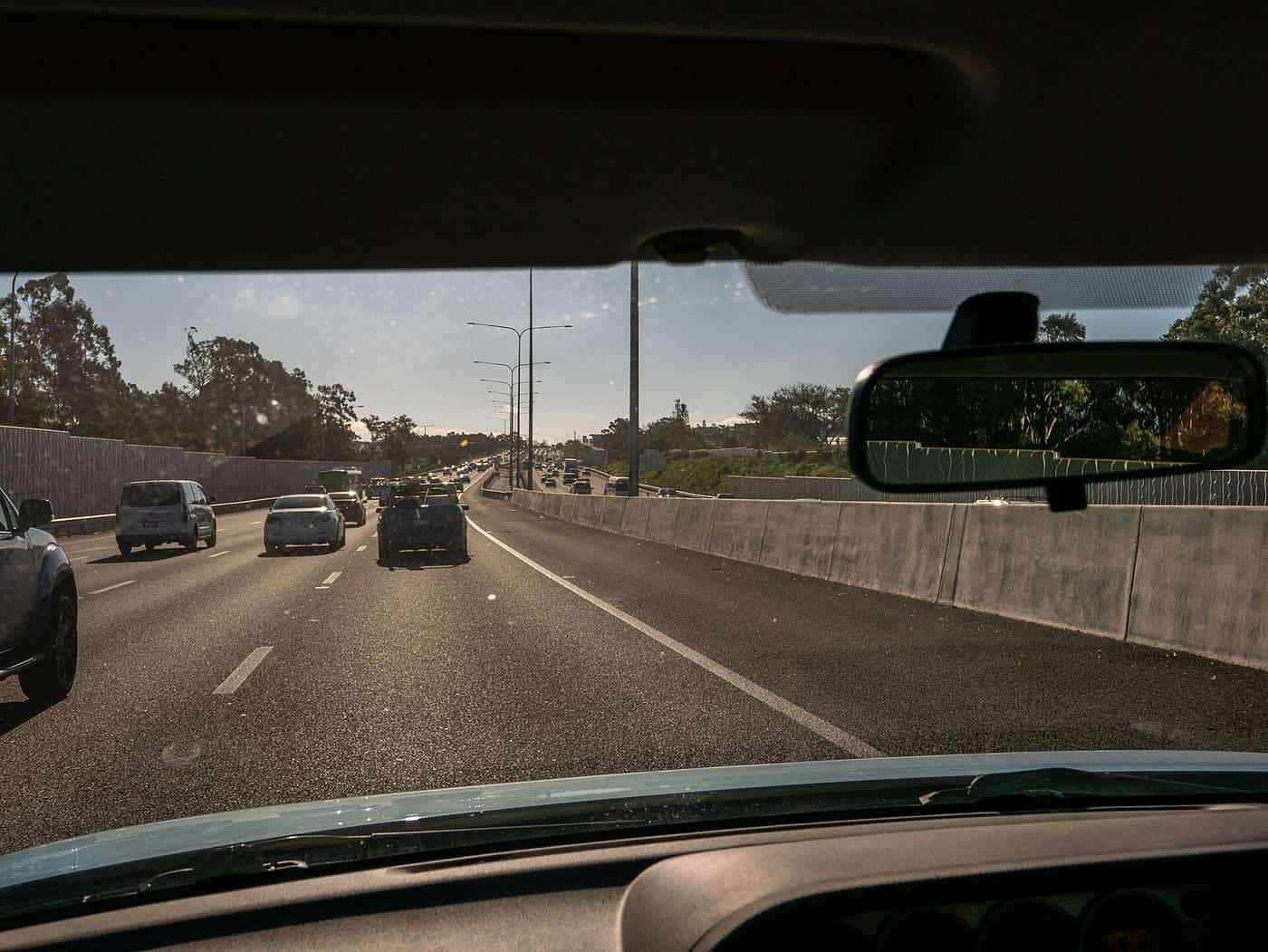
Speed is one of the biggest factors in fuel use on the open road, because aerodynamic drag rises sharply as you go faster. The Green Vehicle Guide says that at 110 km/h your car can use up to 25% more fuel than it would at 90 km/h.
You won't always be able to drive slower, and you should always keep with traffic and drive to the conditions. But on long trips, sitting a little under the limit where it's safe and legal, or choosing a route with lower speeds, can save noticeable fuel. Cruise control can help hold a steady speed on flat roads.
2. Accelerate smoothly and look ahead
The Green Vehicle Guide says unnecessary acceleration increases fuel consumption and emissions. Harsh acceleration followed by hard braking wastes the energy you just used.
Practical habits:
- accelerate gently and progressively;
- look well ahead so you can see lights changing or cars turning;
- keep a good distance from the car in front, which the Green Vehicle Guide notes helps avoid abrupt braking and re-accelerating;
- lift off early and coast towards stops instead of braking late.
In a hybrid or EV, smooth driving also lets regenerative braking recover more energy.
3. Use the right gear
The Green Vehicle Guide says most engines run more efficiently at around 1,500 to 2,500 rpm. In a manual car, change up through the gears before the engine reaches about 2,500 rpm. In an automatic, easing back slightly on the accelerator once the car builds speed helps the transmission shift up sooner and more smoothly.
4. Don't idle unnecessarily
The Green Vehicle Guide says switching the engine off, even for a short period, saves more fuel than is lost in the burst of fuel used to restart it, and that the extra wear and tear is minimal. Many newer cars have automatic stop-start for this reason.
Switch off when you're parked and waiting, rather than sitting with the engine running. Only do this when it's safe; don't switch off in moving traffic.
5. Travel light
The Green Vehicle Guide says the more a vehicle carries, the more fuel it uses. Clear out heavy items you don't need, such as sports gear, tools or boxes that have lived in the boot for months. It all adds up, especially in stop-start city driving.
6. Reduce aerodynamic drag
According to the Green Vehicle Guide, increased air resistance can raise fuel consumption, in some cases by over 20%. Roof racks, roof boxes, bike carriers and other external attachments add drag even when empty. Remove them when you're not using them.
Windows matter too. Government fuel-saving advice suggests opening windows at low speeds but using air conditioning at highway speeds, because open windows add drag at higher speeds.
7. Use air conditioning wisely
Air conditioning uses energy, so use it when you need it rather than by habit. On hot days, parking in the shade and ventilating the car for a moment before driving helps it cool faster. At low speeds, open windows may be the more efficient choice; at highway speeds, air conditioning with windows up is usually better because of drag.
In an EV, pre-cooling or pre-heating the cabin while the car is plugged in uses mains power instead of the battery.
8. Look after your tyres
The Green Vehicle Guide says looking after your tyres reduces fuel consumption, extends tyre life and improves handling. It recommends keeping tyres inflated to the pressures recommended by the tyre manufacturer, making sure wheels are properly aligned and keeping the spare inflated too. It also notes that tyres with lower rolling resistance can reduce fuel consumption.
Check pressures when the tyres are cold, using the placard on your car (often inside the driver's door) as a guide, and check them monthly and before long trips.
9. Service your car regularly
The Green Vehicle Guide says keeping your vehicle well tuned minimises its environmental impact by reducing running costs and extending its life. Follow the service schedule in your owner's manual. Dirty air filters, worn spark plugs, old oil and dragging brakes can all increase fuel use.
10. Plan trips and drive less
The cheapest, cleanest kilometre is the one you don't drive. The Green Vehicle Guide suggests:
- planning ahead so you make fewer trips;
- combining several errands into one trip;
- shopping closer to home where possible;
- walking, cycling or using public transport for suitable trips;
- avoiding peak-hour traffic when you can.
A cold engine uses more fuel, so combining short trips into one longer outing while the engine is warm also helps.
Tips for EV drivers
Most of the tips above extend EV range too. A few are specific to electric cars:
- Use regenerative braking. Many EVs let you choose stronger regeneration or one-pedal driving, which recovers more energy in traffic.
- Precondition while plugged in. Heat or cool the cabin, and in some cars the battery, while still connected to the charger.
- Use seat heaters where fitted, which use less energy than heating all the cabin air.
- Charge at the right times for the lowest cost and emissions. See charging at home.
Our guide to EV range and batteries explains what affects range in more detail.
Tips for towing and caravans
Towing greatly increases fuel or energy use because of the extra weight and drag. To reduce the impact:
- drive at moderate speeds;
- pack the van carefully and avoid carrying unnecessary water or gear;
- keep tyre pressures right on both the car and the van;
- consider aerodynamic aids designed for your setup;
- plan fuel or charging stops with a generous margin.
Measuring your progress
Track your fuel use for a few weeks: note the kilometres between fills and the litres used, and work out litres per 100 km. Many cars show average consumption on the dashboard. Comparing your figure with the official figure on the Green Vehicle Guide gives a sense of how your driving and conditions compare with the standard test. The Green Vehicle Guide's fuel and CO2 calculator can estimate annual fuel costs and emissions for your car and distance.
Key points
- At 110 km/h a car can use up to 25% more fuel than at 90 km/h.
- Smooth acceleration, looking ahead and coasting save fuel and brakes.
- Switch off when parked and waiting, remove unused roof racks and travel light.
- Keep tyres at the right pressure and service your car on schedule.
- Plan and combine trips, and use other transport when it suits.
Frequently asked questions
Does driving slower really save fuel?
Yes. The Green Vehicle Guide says that at 110 km/h a car can use up to 25% more fuel than at 90 km/h. Always drive to the conditions and keep with the flow of traffic safely.
Should I switch off my engine when idling?
The Green Vehicle Guide says switching the engine off, even for a short period, saves more fuel than is lost restarting, and that the extra wear from this is minimal. Only do so when it's safe, not in moving traffic.
Is it better to use air conditioning or open the windows?
Open windows add aerodynamic drag, which matters most at higher speeds. Government fuel-saving advice suggests opening windows at low speeds and using air conditioning at highway speeds, and using air conditioning only when needed.
Do tyre pressures affect fuel use?
Yes. The Green Vehicle Guide says looking after your tyres reduces fuel consumption, extends tyre life and improves handling. Keep them inflated to the recommended pressure and have wheel alignment checked.
Do these tips work for electric cars?
Most do. Smooth driving, moderate speeds, correct tyre pressures, less weight and less drag all extend EV range too.
Sources and further reading
Facts on this page were checked against these primary and official sources. Conditions change — confirm before you travel or buy.
- Tips to reduce your emissions — Green Vehicle Guide
- Fuel saving tips — Department of Infrastructure, Transport, Regional Development, Communications, Sport and the Arts
- Transport — energy.gov.au