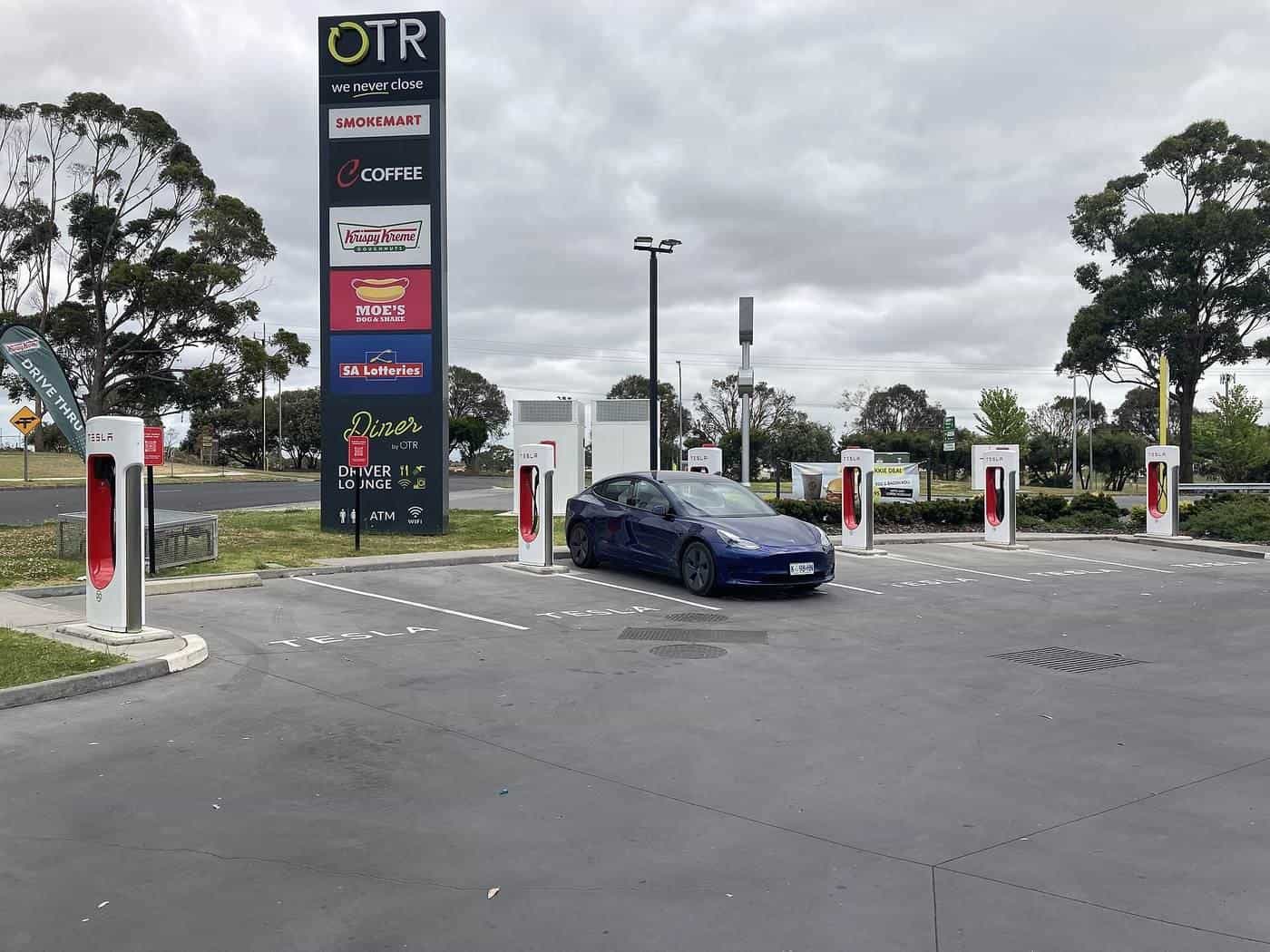
Electric cars have moved from novelty to everyday option in Australia. There are more models to choose from, more places to charge and a growing second-hand market. The Green Vehicle Guide notes that EVs are becoming more common and charging infrastructure is increasingly available. Even so, switching raises real questions. Which type suits your driving? How far will it go in winter or on the highway? What should you check before buying one used? And will it actually save you money?
This section answers those questions in plain English. We base our guides on Australian Government sources, chiefly the Green Vehicle Guide and energy.gov.au, and we explain how to apply the information to your own situation rather than relying on generic averages.
Guides in this section
- Types of electric vehicles explained: battery electric, plug-in hybrid, hybrid, mild hybrid and range-extended cars, and who each suits.
- EV range and batteries: kWh and kW, what affects real-world range, why charging slows near full, and battery care.
- Buying a used electric car: battery health, warranty transfer, charging gear, PPSR checks and consumer rights.
- Working out EV running costs: how to calculate charging costs from your own bill and compare total costs.
The big picture: what changes when you go electric
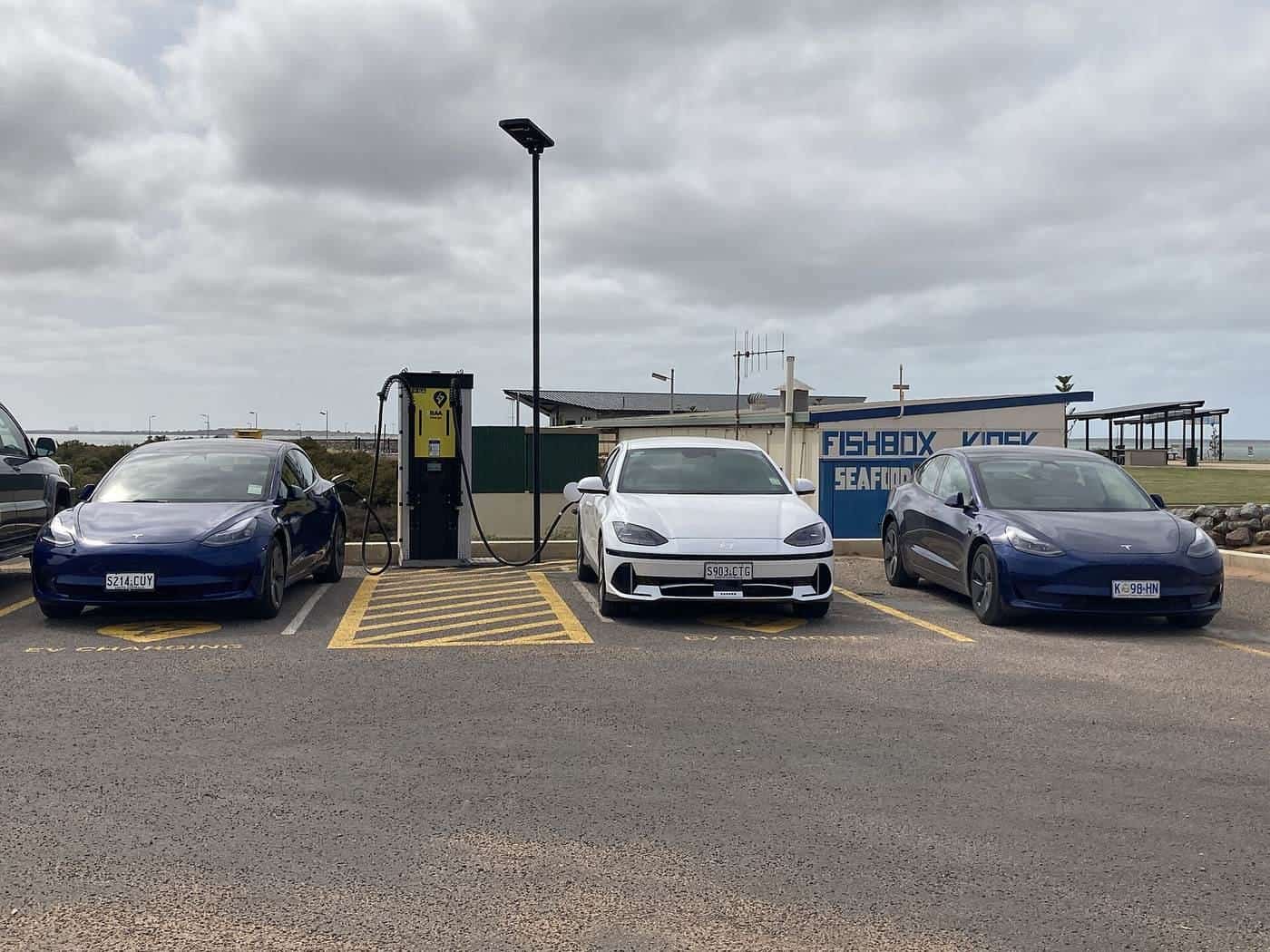
The biggest change isn't the driving; most people find EVs quiet, smooth and easy to drive. The change is in how you "refuel". Instead of visiting a service station when the tank is low, most EV owners plug in at home and start each day with enough charge for their usual driving. Energy.gov.au says around 80% of reported EV charging in Australia happens at home. Public fast chargers then fill the gaps on longer trips.
That's why the first question to ask isn't "which EV?" but "where will I charge?". If you have off-street parking, home charging can be as simple as a standard power point, which energy.gov.au says supplies up to 2.4 kW, or a dedicated wall charger installed by a licensed electrician. If you don't, our charging section explains apartment, rental and public charging options.
Range: usually less of an issue than people expect
Range anxiety is common before people buy an EV and much less common afterwards. The Green Vehicle Guide says many EV models sold in Australia can travel over 400 km before needing a recharge, while most daily driving is much shorter. Real-world range does vary: high speeds, cold weather, heavy loads and towing all reduce it. Our range and batteries guide explains why, and how to plan longer trips.
Costs: do the sums with your own numbers
The Green Vehicle Guide says EVs generally cost more to buy than petrol or diesel cars, though it expects prices to become more competitive as more models arrive. Running costs are where EVs often come out ahead: charging at home is generally cheaper than public charging, and energy.gov.au rates maintenance costs for battery EVs as medium compared with high for petrol, diesel and hybrid cars.
Rather than quoting a generic saving, our running costs guide shows you how to work it out from your electricity bill, your driving and the car's official energy use. If you're considering an EV through your employer, our guide to novated leases and EV tax explains the fringe benefits tax exemption.
Buying new or used
New EVs come with full manufacturer warranties and the latest technology. Used EVs can be much cheaper, but the battery deserves careful attention. Our used EV guide sets out the checks: a dated battery health report tied to the VIN, the remaining battery warranty, the right charging cables and connector type, and the usual PPSR search and mechanical inspection.
Is a hybrid a better fit?
Not everyone is ready for, or suited to, a full EV. If you can't charge at home or regularly drive long distances where chargers are sparse, a hybrid can cut fuel use without changing how you refuel. The Green Vehicle Guide describes hybrids as a cheaper alternative to a fully electric vehicle with better fuel economy than a standard petrol or diesel car. Our efficient driving section covers hybrids and ways to use less fuel in any car.
Compare models on the Green Vehicle Guide
When you've worked out which type suits you, the Green Vehicle Guide is the neutral place to compare specific models. It's the Australian Government's official guide to vehicle fuel consumption and environmental performance, and its search lets you filter for pure electric vehicles and compare range, energy use and emissions. See our guide to comparing car efficiency.
Estimate charging time
Our free charge time estimator on the home page shows roughly how long it takes to add charge at different charger powers, using your own battery size and charge levels. Add your electricity rate for a rough cost.
A quick checklist before you decide
- Where will you charge most of the time: home, work or public chargers?
- How far do you drive on a typical day, and on your longest regular trip?
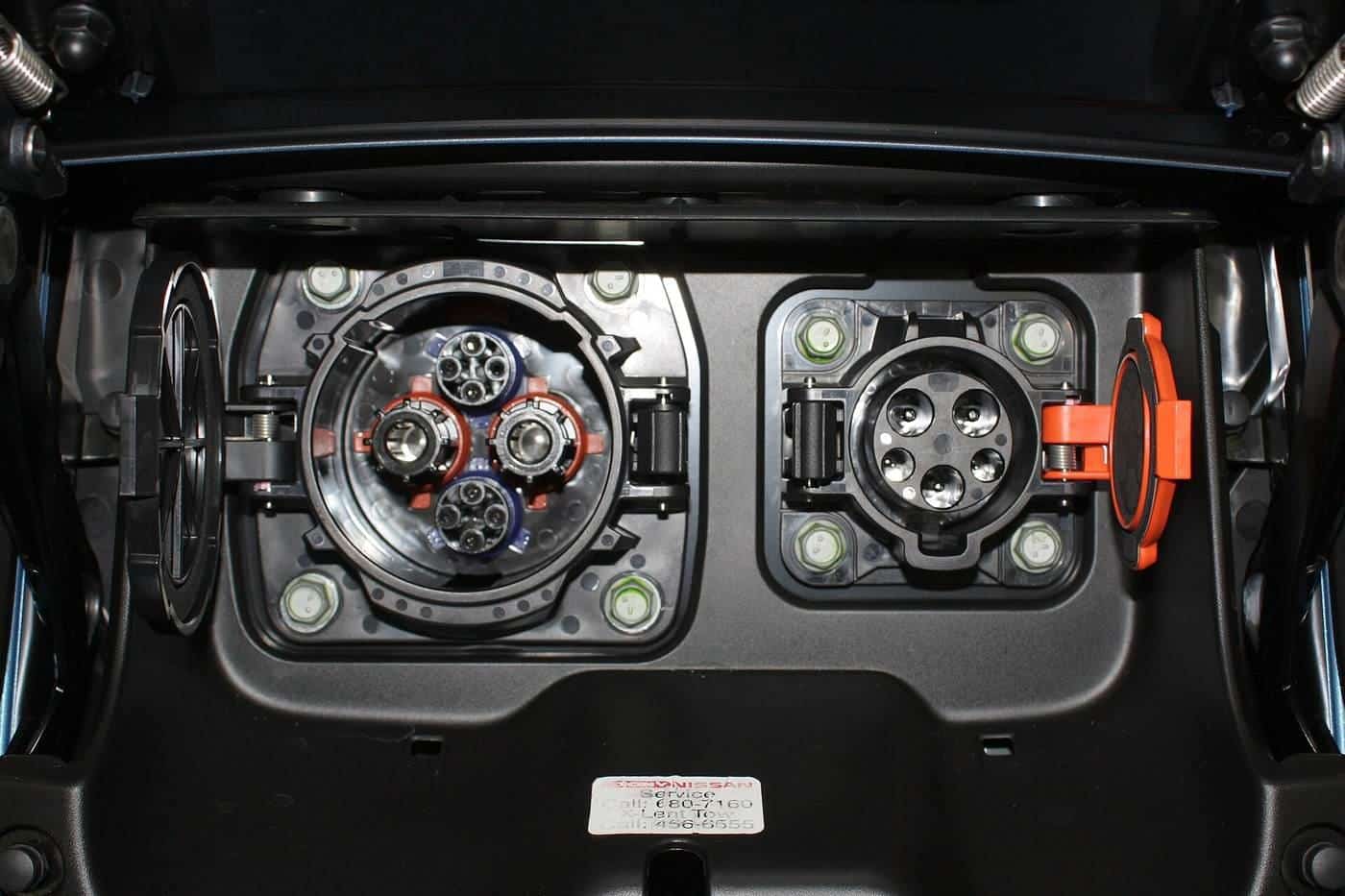
- Which DC connector and charging speeds does the car support?
- What does the battery warranty cover, and for how long?
- Have you compared the model's official figures on the Green Vehicle Guide?
- Have you checked current state concessions and got insurance quotes?
Key points
- Most EV charging happens at home, so start with where you'll charge.
- Many EVs exceed 400 km of range; real-world range varies with conditions.
- EVs usually cost more to buy but less to run, especially with home charging.
- Check battery health and warranty carefully on a used EV.
- Compare models with official figures on the Green Vehicle Guide.
Guides in this section
Electric cars
Types of electric vehicles explained
The differences between battery electric, plug-in hybrid, hybrid and mild hybrid cars, how each is fuelled and charged, and who each type suits.
Read · 8 min
Electric cars
EV range and batteries
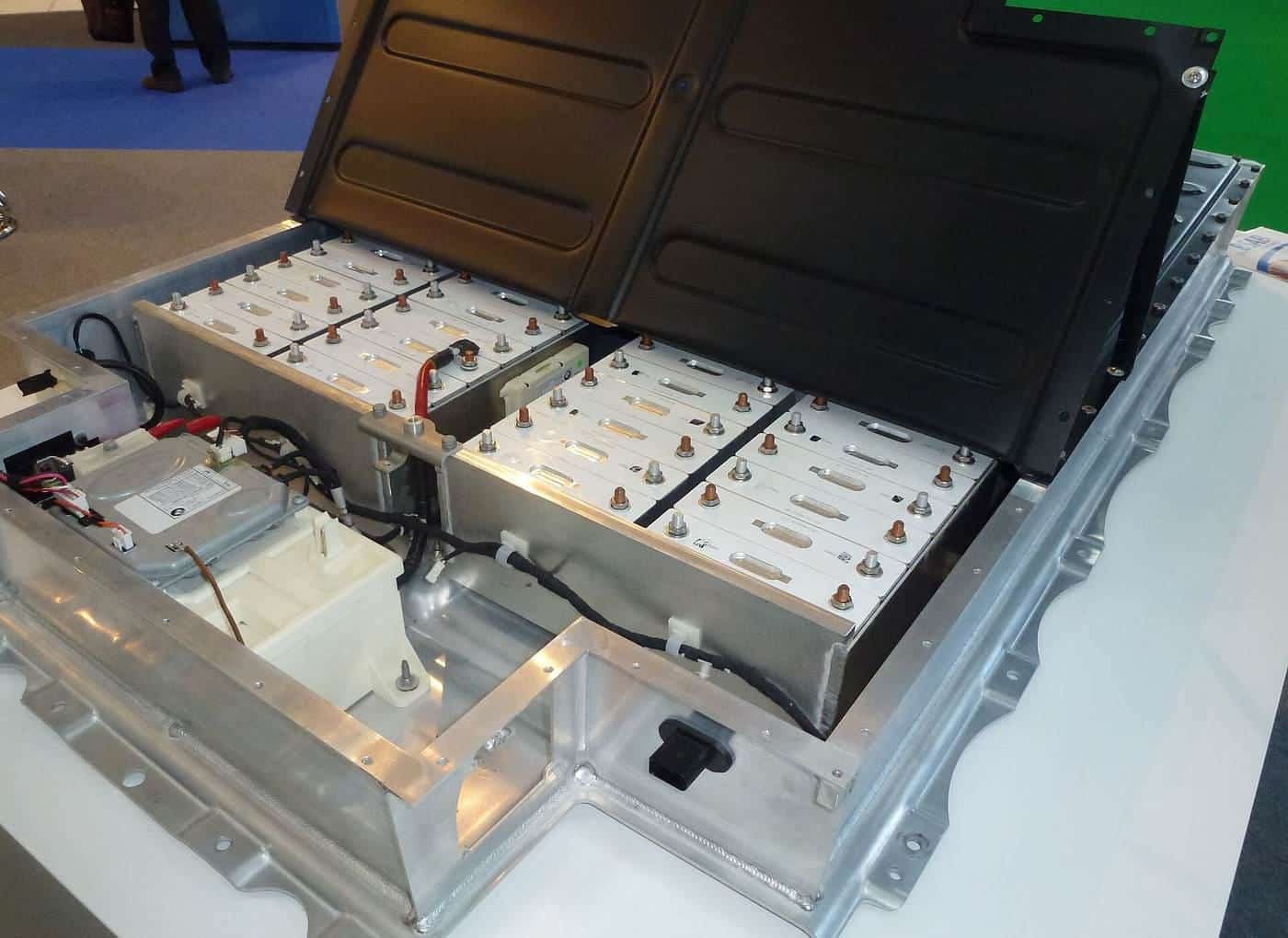
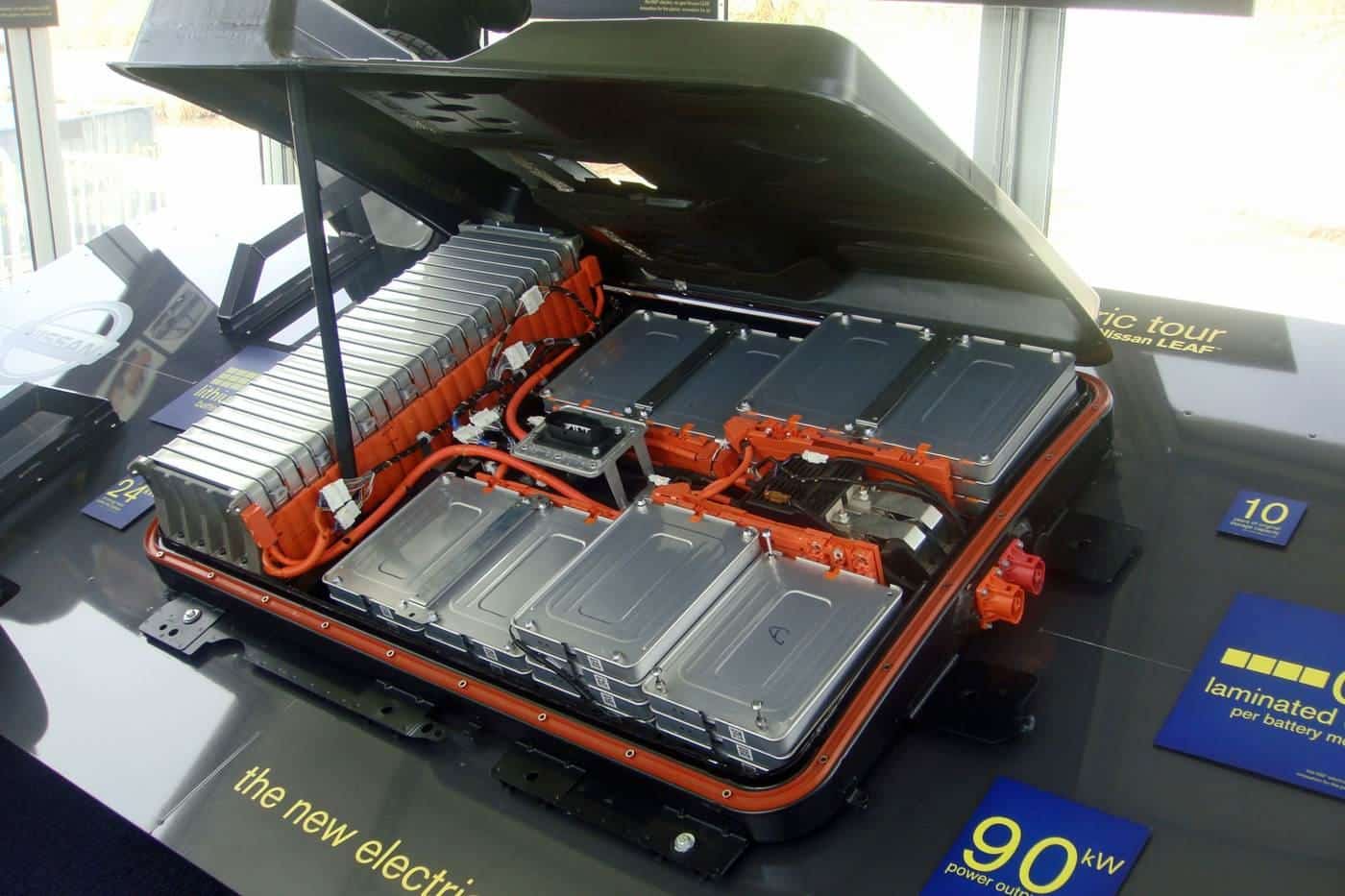
How electric car batteries and range work, what reduces real-world range, why charging to 80% is common, and how to look after an EV battery.
Read · 6 min
Electric cars
Buying a used electric car
A checklist for buying a second-hand EV in Australia: battery health, warranty transfer, charging gear, PPSR checks and consumer rights.
Read · 6 min
Electric cars
Working out EV running costs
How to estimate EV running costs from your own electricity rate and driving, plus servicing, tyres, insurance and rego.
Read · 6 min
Frequently asked questions
Are electric cars more expensive to buy?
The Green Vehicle Guide says EVs generally cost more to buy than petrol or diesel vehicles, but prices are expected to become more competitive as more models become available in Australia. Some states and territories offer stamp duty or registration discounts.
How far can an electric car go?
The Green Vehicle Guide says many EV models sold in Australia can travel over 400 km before they need to be recharged. Real-world range varies with the model and conditions.
Where do most EV owners charge?
At home. Energy.gov.au says around 80% of reported EV charging in Australia happens at home.
Is an EV right for me if I can't charge at home?
It can be, using workplace and public charging, but it takes more planning and usually costs more per kilometre. A hybrid may suit some drivers better.
Sources and further reading
Facts on this page were checked against these primary and official sources. Conditions change — confirm before you travel or buy.
- Electric vehicle information — Green Vehicle Guide
- Electric vehicle guide (PDF) — Green Vehicle Guide
- Types of electric vehicles — energy.gov.au
- How to charge your electric vehicle — energy.gov.au