For most electric car owners, charging is something that happens at home, overnight or while the sun is shining on the roof, rather than a trip to a "fuel station". Energy.gov.au says around 80% of all reported EV charging in Australia occurs at home. Getting home charging right makes owning an EV cheaper and more convenient. This guide explains your options, what installing a charger involves and how to time your charging.
~80%
Charging done at home
energy.gov.au
2.4 kW
Standard power point max
Level 1
7–22 kW
Dedicated home charger
Level 2
Your two main options
Energy.gov.au describes two main ways to charge at home: a standard power point, or a dedicated EV charger.
Option 1: a standard power point (Level 1)
Just like a mobile phone, an EV can be charged from a standard power point. All you need is an appropriate EV charging cable, which often comes with the car and can also be bought from retailers. This is called Level 1 or "trickle" charging, because the power from a standard power point is relatively low: a maximum of 2.4 kW, according to energy.gov.au.
The Electric Vehicle Council describes these cables as "mode 2" chargers: a cable that plugs into a standard outlet at one end and the car at the other, with a control box in the middle featuring indicator lights.
Pros: no installation cost if you already have a suitable outlet near where you park; portable, so you can take it when visiting family or on holidays.
Cons: slow. Adding a lot of range takes many hours, so it suits people whose daily driving is modest and who can plug in for long periods, typically overnight.
Use a dedicated, properly wired outlet in good condition. Avoid extension leads and power boards unless the cable maker specifically permits them, and have an electrician check older wiring if you're unsure.
Option 2: a dedicated EV charger (Level 2)
A dedicated home charger, often called a wallbox, supplies 7 to 22 kW according to energy.gov.au. It can typically charge an EV 3 to 10 times faster than a standard power point and add between 30 and 80 km of driving range for each hour of charging.
The Electric Vehicle Council says the most common domestic installations are 7.4 kW single phase and 11 kW three phase. Most Australian homes have single-phase power; some, particularly newer or larger homes, have three phase. Your car also has a maximum AC charging rate. Energy.gov.au notes that Type 2 can provide up to 22 kW, but some EVs only accept 11 kW AC, so a bigger charger won't always charge faster.
Pros: faster, can fully recharge most EVs overnight, and many models include smart features.
Cons: costs money to buy and install, and may need electrical upgrades.
Which do you need?
Start with your daily driving. If you drive a moderate distance each day and can plug in for 10 hours or more overnight, a standard power point may be enough. If you drive long distances, share one car between several drivers, have a large battery, or want to make the most of a short off-peak or solar window, a dedicated charger becomes much more useful.
Try our charge time estimator: enter your battery size, how much charge you typically use in a day and compare a 2.4 kW power point with a 7 kW charger.
Installing a dedicated charger
Energy.gov.au says a home EV charger is directly connected to your home power supply and must be installed by a licensed electrician. Installation may require an upgrade to your switchboard and supply connection.
Steps usually look like this:
- Check your parking and power. Where will the car park, and how far is it from the switchboard? Is your supply single or three phase?
- Choose a charger. Look at the power rating, cable length, whether it's tethered or socketed, smart features and app support.
- Get quotes. NSW Climate and Energy Action suggests getting quotes from licensed electricians with EV charger experience.
- Check compliance. Only use chargers that carry the Regulatory Compliance Mark (RCM) tick, as NSW advises.
- Ask about load management. If your home's supply is limited, a charger with load management can reduce charging power when other appliances are running.
- Check approvals. Renters need the landlord's permission; apartment owners and tenants may need approval from the owners corporation.
Some car makers have a preferred installer or charger. The Electric Vehicle Council notes you can also use a specialist independent EV charging installer or your local electrician.
Smart charging
Energy.gov.au explains that smart charging lets you charge when it's convenient or when electricity is cheaper. Smart chargers and many cars let you schedule charging, set a target charge level, monitor energy use and, in some cases, prioritise excess rooftop solar.
The Electric Vehicle Council recommends choosing a charger with OCPP 1.6J or higher communications capability. OCPP is an open protocol that can let the charger work with different apps and energy-management systems.
When to charge
Timing matters for both cost and the electricity grid.
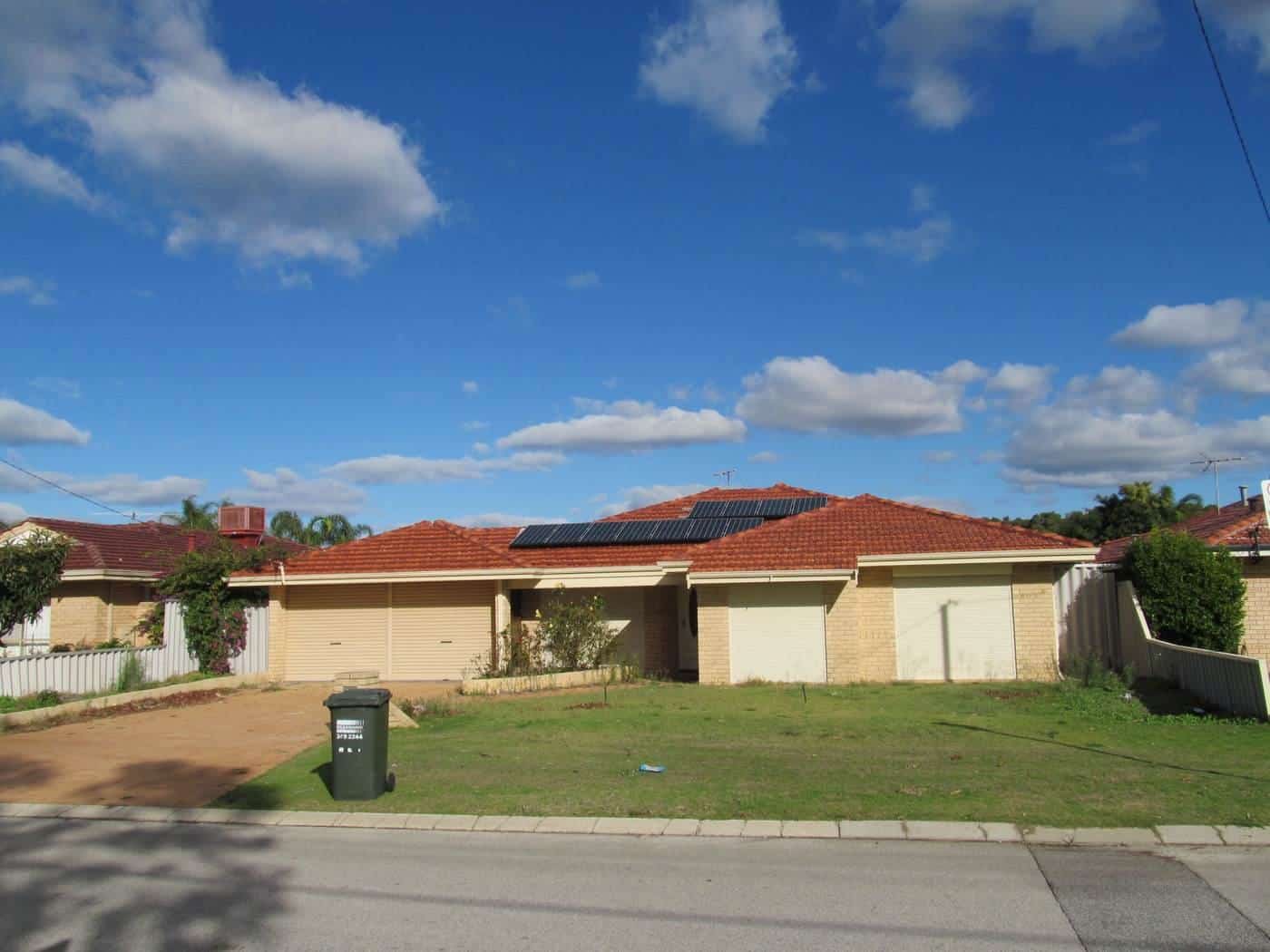
- With rooftop solar: charge during the day when your panels are generating, to use your own cheap, clean energy. See charging with solar.
- Without solar: NSW Climate and Energy Action suggests choosing an energy plan with cheaper off-peak rates and charging when energy is cheapest, like overnight.
- Times to avoid: the Electric Vehicle Council's home charging guide suggests avoiding 3pm to 9pm where possible, as that's typically peak demand. If you're not home during the day, it suggests charging at night, typically after 11pm.
Most EVs and smart chargers let you set a schedule, so you can plug in when you get home and let the car start charging at the right time.
Safety tips
- Have any dedicated charger installed by a licensed electrician.
- Use compliant equipment with the RCM tick.
- Don't use damaged cables or plugs; replace them.
- Avoid extension leads and double adaptors for charging unless the manufacturer specifically allows a particular product.
- Keep cables tidy to avoid trip hazards and damage from car wheels.
- Follow the car and charger manufacturer's instructions.
Rebates and support
Energy.gov.au says some state and territory governments offer rebates for buying and installing home EV chargers. NSW Climate and Energy Action has also described finance and support programs for households. Schemes change, so check your state's energy website before buying.
Key points
- Around 80% of reported EV charging in Australia happens at home.
- A standard power point supplies up to 2.4 kW: slow, but often enough overnight.
- Dedicated chargers supply 7 to 22 kW and must be installed by a licensed electrician.
- Charge with solar during the day or off-peak overnight; avoid 3pm to 9pm where possible.
- Check for state rebates and use RCM-marked equipment.
Frequently asked questions
Can I charge an EV from a normal power point?
Yes. Energy.gov.au says you can charge from a standard power point with an appropriate EV charging cable. It supplies a maximum of 2.4 kW, so it's slow, but it can suit many people's daily driving, especially overnight.
How much faster is a wall charger?
Energy.gov.au says a dedicated home charger supplies 7 to 22 kW, can typically charge 3 to 10 times faster than a standard power point, and can add between 30 and 80 km of range per hour of charging.
Who can install a home EV charger?
A dedicated EV charger is connected to your home power supply and must be installed by a licensed electrician. It may require an upgrade to your switchboard and supply connection, according to energy.gov.au.
When is the best time to charge?
With solar, during the day. Without it, when your electricity is cheapest, often overnight on a time-of-use plan. The Electric Vehicle Council's home charging guide suggests avoiding 3pm to 9pm where possible.
Are there rebates for home chargers?
Energy.gov.au says some state and territory governments offer rebates for buying and installing home EV chargers. Check your state's energy website for current schemes.
Does a home charger need to be certified?
NSW Climate and Energy Action advises using only chargers that carry the Regulatory Compliance Mark (the tick) and getting quotes from licensed electricians with EV charger experience.
Sources and further reading
Facts on this page were checked against these primary and official sources. Conditions change — confirm before you travel or buy.
- How to charge your electric vehicle — energy.gov.au
- Charging options for houses and strata buildings — energy.gov.au
- EV charging at home (PDF) — Electric Vehicle Council
- Install a home electric vehicle charger — NSW Climate and Energy Action