"How far will it go?" is the first question most people ask about an electric car, and the answer is less simple than a single number on a brochure. Range depends on the size of the battery, how efficiently the car uses energy, and how and where you drive. This guide explains the terms you'll see, what affects real-world range in Australian conditions, and simple habits that help a battery last.
400 km+
Many EV models
Green Vehicle Guide
80% <30 min
Fast charging
energy.gov.au
kWh
Battery size unit
Energy, not power
The two numbers that matter: kWh and kW
Two units come up constantly with EVs, and they're easy to mix up.
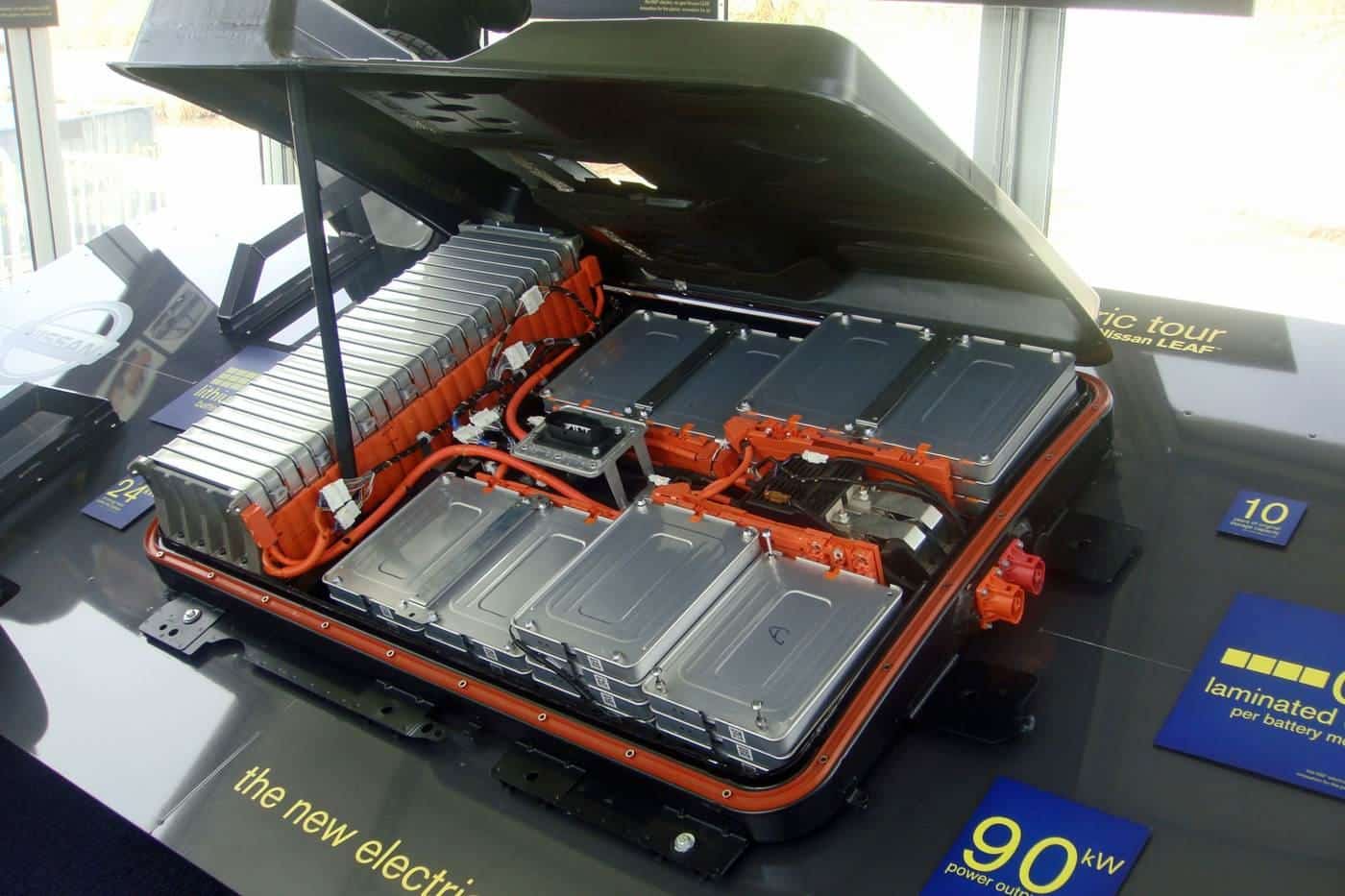
Kilowatt-hours (kWh) measure energy. A battery's capacity is given in kWh, so think of it as the size of the fuel tank. A larger battery stores more energy and, in the same car, gives more range.
Kilowatts (kW) measure power, the rate at which energy flows. A charger's speed is given in kW, as is a motor's output. Energy.gov.au says a standard household power point supplies a maximum of 2.4 kW, while a dedicated home charger supplies 7 to 22 kW.
Put the two together and you can estimate charging time: energy needed (kWh) divided by charging power (kW) gives a rough number of hours, before losses. Our charge time estimator does exactly this with your own numbers.
You may also see usable and gross battery capacity. Manufacturers keep a buffer that isn't available for driving, to protect the battery. Usable capacity is the figure that matters for range and charging estimates.
Efficiency: the third piece of the puzzle
Two cars with the same battery can have very different range because one uses energy more efficiently. EV efficiency is often expressed as watt-hours per kilometre (Wh/km) or kWh per 100 km, the electric equivalent of litres per 100 km. A lower number is better. Smaller, lighter and more aerodynamic cars tend to use less energy than large, heavy, boxy vehicles. The Green Vehicle Guide lists energy consumption for EVs so you can compare.
Advertised range versus real-world range
The range figure in advertising comes from a standardised laboratory test, which lets you compare cars fairly but can't reflect every driver. Your real-world range may be higher or lower. The Green Vehicle Guide makes a similar point about fuel consumption figures for all cars: on-road results depend on individual circumstances.
The main factors that reduce range are:
- Speed. Aerodynamic drag rises sharply with speed, so sustained highway driving uses more energy per kilometre than suburban driving. Unlike petrol cars, many EVs are most efficient in slower, stop-start traffic where regenerative braking recovers energy.
- Temperature. Batteries work best within a moderate temperature range. Cold weather reduces efficiency and heating the cabin uses energy. Very hot days mean the car uses energy to cool both the cabin and battery.
- Climate control. Heating and air conditioning draw on the main battery. Seat and steering-wheel heaters, where fitted, use less energy than heating all the cabin air.
- Load and towing. Extra weight, roof racks, roof boxes and especially towing can cut range significantly. Check the manufacturer's guidance before towing.
- Terrain and wind. Climbing hills and driving into a headwind use more energy, though you recover some going downhill.
- Tyres. Under-inflated tyres increase rolling resistance. Keep them at the pressure on your car's tyre placard.
Planning around range
For most daily driving, range is less of an issue than people expect, because most trips are short and EVs can be topped up at home overnight. Energy.gov.au says around 80% of reported EV charging in Australia happens at home.
Longer trips need more planning. A few practical habits help:
- Know your car's real range in different conditions. Note how much range you use on your usual highway runs, in summer and winter.
- Plan stops with a buffer. Charging apps and in-car route planners show fast-charging locations. Aim to arrive with some charge in reserve in case a charger is busy or out of service.
- Charge to what you need. On a road trip, it's often quicker to make shorter stops in the faster part of the charging curve than to wait for a full battery.
- Have a backup. Know where the next charger is if your first choice is unavailable, particularly in regional areas.
Our guide to public charging covers connectors, etiquette and road-trip planning in more detail.
Why charging slows down near full
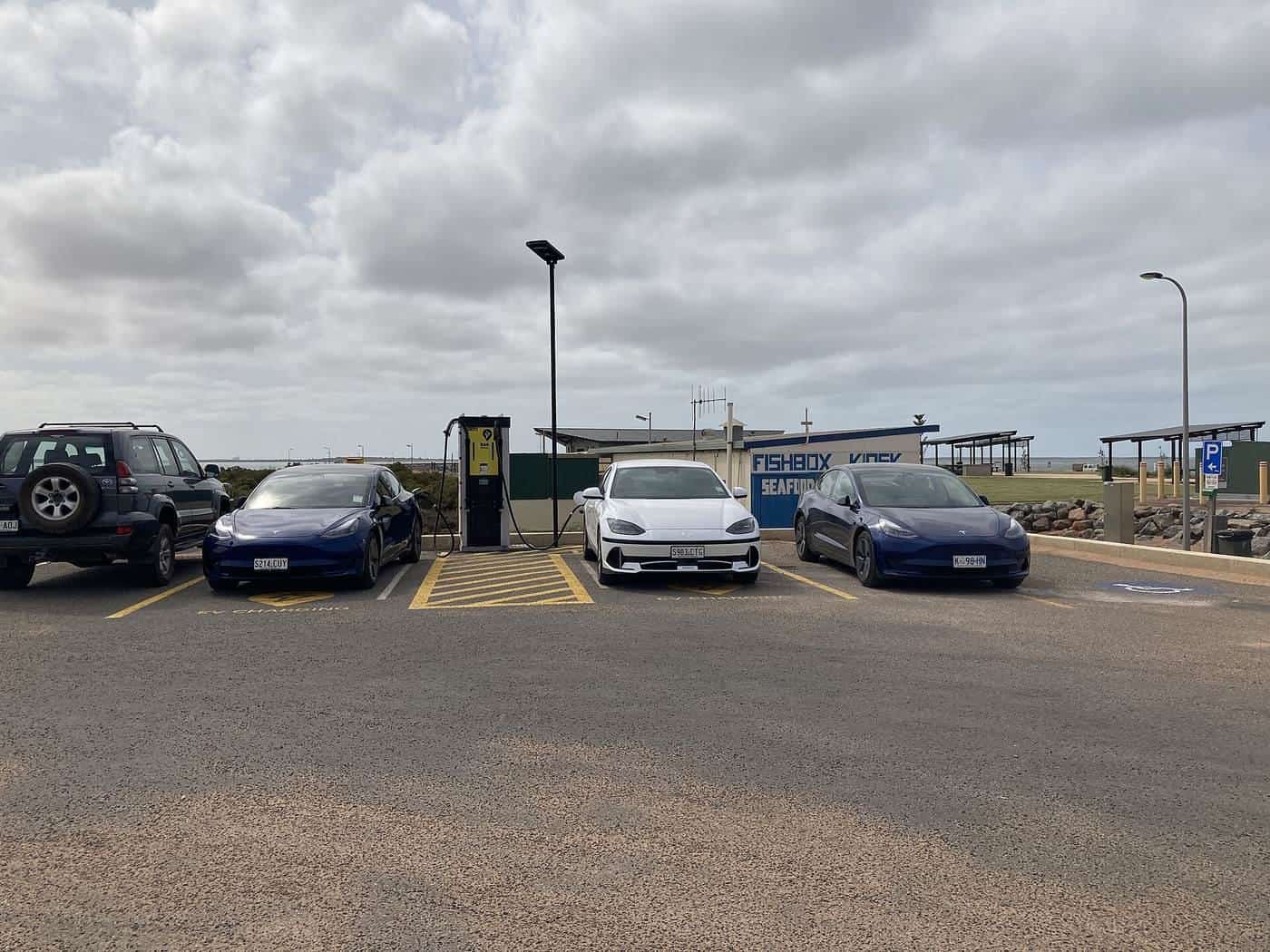
DC fast charging is quickest when the battery is low and slows as it fills, to protect the cells. Energy.gov.au notes that public chargers that can charge a vehicle to 80% in less than 30 minutes are becoming more widely available. That 80% figure isn't arbitrary: above roughly that point, most cars draw less power, so the last 20% can take a disproportionately long time.
At home on AC charging, the effect is less noticeable because the charging power is already much lower than the car's maximum.
Looking after an EV battery
EV batteries are designed to last, and cars manage battery temperature and charging automatically. Still, a few habits are commonly recommended. Always check your manual first, because advice differs between battery chemistries and manufacturers.
- Use the recommended everyday charge limit. Many cars let you set a maximum charge level. Some manufacturers recommend a lower everyday limit for certain battery types, with charging to full reserved for long trips. Others, particularly for lithium iron phosphate (LFP) batteries, may recommend regular full charges so the car can calibrate its range estimate.
- Avoid leaving the battery very full or very empty for long periods, particularly in hot weather.
- Don't rely only on DC fast charging if you can charge on AC at home or work. Frequent fast charging is generally fine for modern EVs, but slower charging puts less heat into the battery.
- Park in shade or a garage in hot weather where you can.
- Keep software up to date. Manufacturers sometimes improve battery management through updates.
Battery warranties
Manufacturers typically provide a separate battery warranty, often expressed as a number of years and kilometres, with a promise that the battery will retain a minimum share of its original capacity during that time. The terms vary between brands and models, so read the exact warranty conditions, including any servicing requirements and whether coverage transfers to a new owner. This matters most if you're buying second-hand. See our guide to buying a used EV.
Battery degradation: what to expect
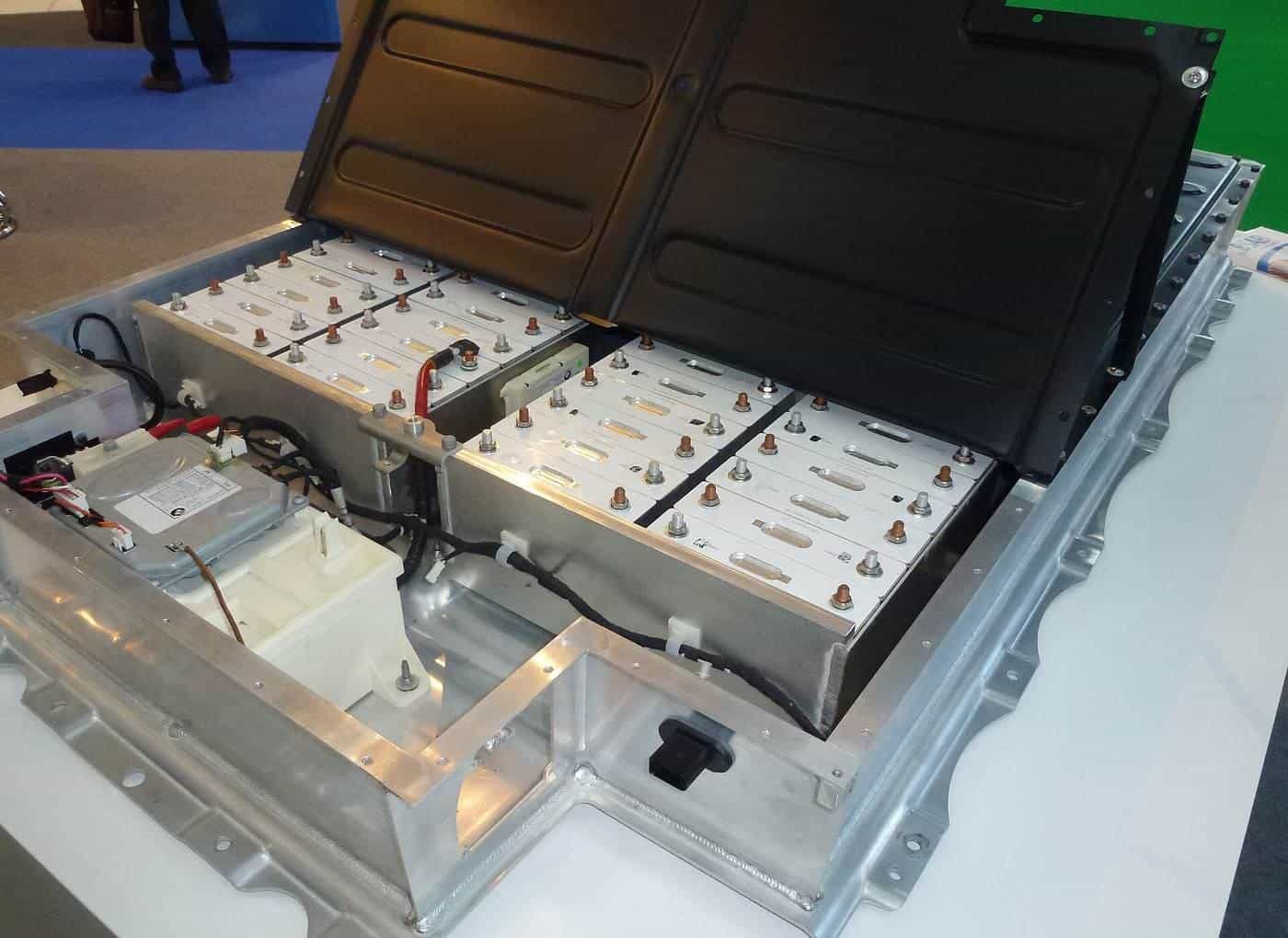
All lithium-ion batteries gradually lose some capacity over time and use. In practice this shows up as a slowly shrinking range rather than a sudden failure. The rate depends on battery chemistry, climate, charging habits and how many kilometres the car covers. A battery "state of health" (SoH) figure, given as a percentage of original capacity, is the usual way to describe it. Some cars display this; otherwise a dealer, specialist or diagnostic tool can report it.
Plug-in hybrid batteries
Plug-in hybrids have much smaller batteries than BEVs. Energy.gov.au says PHEV batteries typically provide less than 100 km of electric range. Because the battery is smaller, it is cycled more often, but the principles of care are the same. The Green Vehicle Guide's hybrid guide notes that fuel consumption rises when the battery is low, so regular charging matters for both running costs and emissions.
End of life and recycling
When an EV battery no longer meets the needs of a car, it may still be useful for less demanding applications, such as stationary energy storage, before materials are recovered through recycling. Battery recycling is a growing area in Australia. If you're replacing a battery, ask the manufacturer or repairer how the old one will be handled.
Try the numbers yourself
Range and charging depend on simple arithmetic you can do with your own figures. Use our charge time estimator to see how long it takes to add a given amount of energy at different charger powers, and the Green Vehicle Guide's home charging calculator for its own estimates of time and cost.
Key points
- Battery size is measured in kWh (energy); charger speed in kW (power).
- Real-world range varies with speed, temperature, climate control, load and terrain.
- The Green Vehicle Guide says many EVs in Australia exceed 400 km of range.
- Fast charging slows above about 80%, so shorter stops are often quicker on trips.
- Follow your manual's charging advice and check the battery warranty terms.
Frequently asked questions
How far can an electric car go on one charge?
It varies by model. The Green Vehicle Guide says many EV models sold in Australia can travel over 400 km before they need to be recharged. You can check the estimated range of a specific model with the guide's vehicle search.
Why is my real-world range lower than the advertised figure?
Advertised range comes from a standard test. Real driving differs: higher speeds, hills, heavy loads, towing, strong heating or cooling and cold weather can all use more energy.
What is the difference between kW and kWh?
Kilowatt-hours (kWh) measure energy, like the size of a fuel tank, and describe battery capacity. Kilowatts (kW) measure power, the rate energy flows, and describe charger speed and motor output.
Should I charge to 100%?
Follow your car's manual. Many manufacturers suggest a lower everyday charge limit for some battery types and charging to full only before long trips. Energy.gov.au notes public fast chargers can typically charge to 80% in under 30 minutes, and charging slows as the battery fills.
How long do EV batteries last?
Battery life depends on the chemistry, use and climate. Manufacturers offer battery warranties, usually expressed in years and kilometres with a minimum capacity threshold. Check the exact terms for the model you're considering.
Sources and further reading
Facts on this page were checked against these primary and official sources. Conditions change — confirm before you travel or buy.
- Electric vehicle information — Green Vehicle Guide
- How to charge your electric vehicle — energy.gov.au
- Types of electric vehicles — energy.gov.au
- Preparing to buy an electric vehicle — energy.gov.au