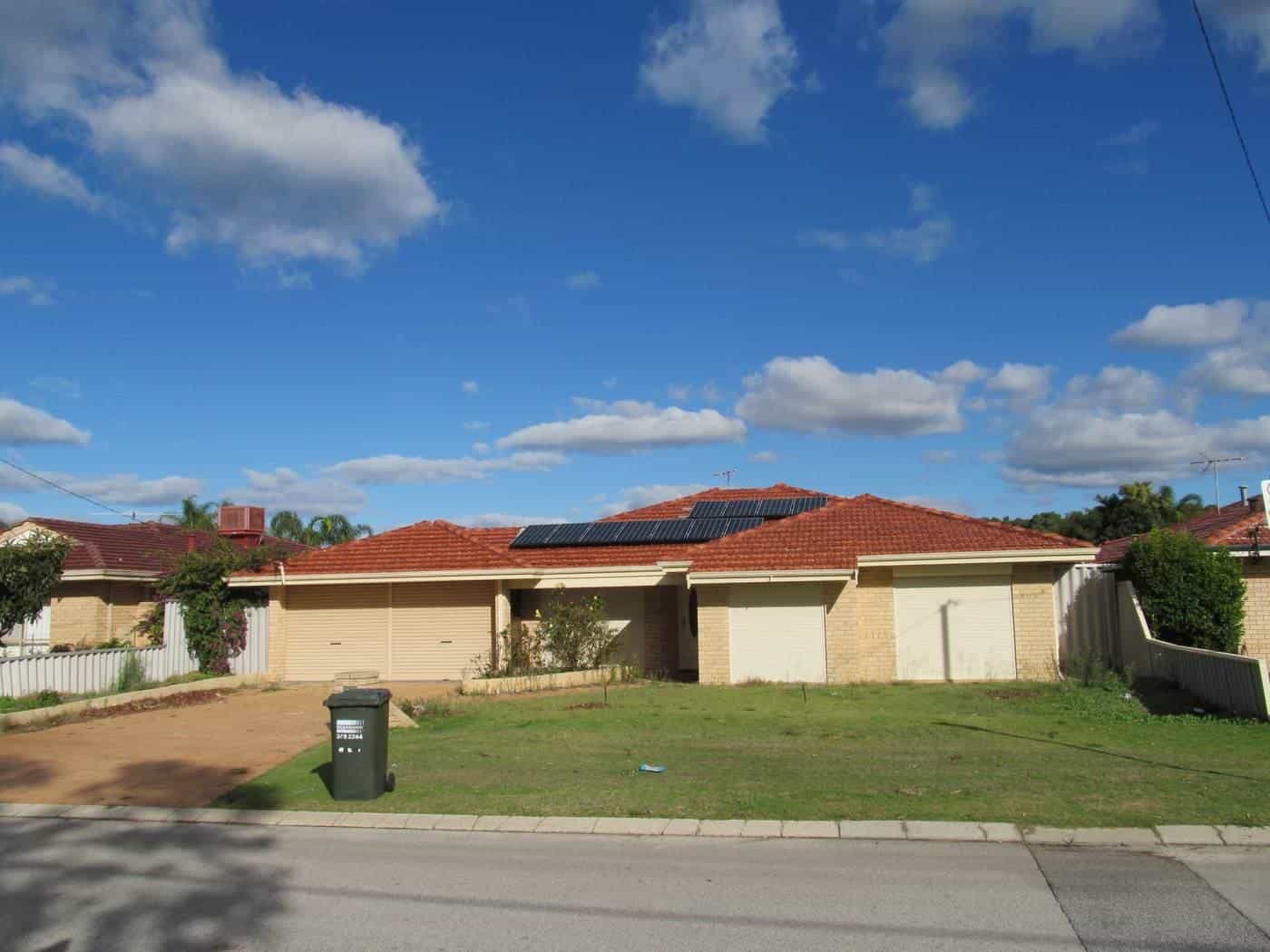
Australia has some of the highest rates of rooftop solar in the world, and if your home is one of the millions with panels, an electric car can soak up energy you'd otherwise export to the grid for a small feed-in tariff. Energy.gov.au says home charging can be the cheapest way to charge an EV, especially if you can take advantage of off-peak tariffs or rooftop solar. The Electric Vehicle Council goes further, describing solar charging as the best option. This guide explains how it works in practice.
Daytime
Best time with solar
NSW Climate and Energy Action
3–9pm
Times to avoid
Electric Vehicle Council
Surplus
What the car uses
Instead of exporting
How solar charging works
Rooftop solar panels produce electricity during daylight hours, and an inverter converts it to the AC power your home uses. When the panels produce more than your household is using, the surplus is exported to the grid, usually earning a feed-in tariff. When you plug in an EV during the day, the car becomes another load in the house. If your panels are producing enough, the car charges largely from your own solar; if not, the shortfall comes from the grid.
So "charging from solar" really means timing your charging to coincide with solar production, and ideally matching the charging rate to your surplus.
Option 1: schedule charging for the middle of the day
The simplest approach needs no special equipment. If you're home during the day, or the car is parked at home, set the car or charger to charge during your sunniest hours. NSW Climate and Energy Action's advice is straightforward: with solar, charge during the day to use your own cheap clean energy.
This works well with a standard power point, because energy.gov.au says it draws a maximum of 2.4 kW. Many home solar systems produce more than that on a sunny day, so a power point charge can run mostly on solar.
With a 7 kW wall charger, the car may draw more than your panels are producing at times, especially in winter or on cloudy days, so some energy will come from the grid.
Option 2: a solar-aware smart charger
Some smart chargers can monitor your solar production and household use, then adjust the charging rate to use only surplus solar, or a mix you choose. Energy.gov.au notes that smart charging can let you charge when it's convenient or when electricity is cheaper. The Electric Vehicle Council says some chargers have smart features that tie in with apps to help plan charging and make use of excess solar.
Things to check when choosing one:
- whether it needs an extra energy meter or current sensor installed;
- the minimum charging rate (many cars can't charge below a certain current, which affects how well a charger can follow low solar output);
- whether it works with your inverter brand or a home energy-management system;
- OCPP support, which the Electric Vehicle Council recommends (version 1.6J or higher);
- the Regulatory Compliance Mark, which NSW Climate and Energy Action advises looking for.
Option 3: add a home battery
A home battery stores surplus solar for use later, including at night. In theory you can charge your car from the battery in the evening, but an EV battery is usually much larger than a home battery, so a home battery can only supply part of a car's needs. Many households find it more useful to charge the car directly from solar during the day and use the home battery for evening household loads.
If you work during the day
Many people's cars aren't home when the sun is shining. Options:
- Charge on weekends and days off, topping up enough for the week. Most commuters don't need a full charge every day.
- Charge at work if your employer offers charging, possibly from their own solar.
- Charge overnight on off-peak rates. The Electric Vehicle Council suggests that if you're not at home during the day, the best time to charge is at night, typically after 11pm, and that the times to avoid are 3pm to 9pm.
- Use a time-of-use plan with a cheap midday window, if your retailer offers one, for days when the car is home.
Is it worth sizing up your solar for an EV?
If you're installing solar or upgrading, it's worth telling the installer you have or plan to buy an EV. A good installer can model your household's electricity use including the car, and suggest a system size that fits your roof, budget and grid connection rules. Consider:
- how many kilometres you drive per week and the car's energy use;
- how often the car is home during daylight hours;
- your current feed-in tariff and import rates;
- your network's export limits;
- whether you also plan a home battery or other electric appliances.
Understanding the value of solar charging
The value of using your own solar for the car depends on the difference between what you'd pay to buy electricity from the grid and what you'd earn by exporting it. If your feed-in tariff is low and your grid rate is high, using solar for the car is worth more. You can calculate it with your own bill: energy used by the car from solar × (grid rate you avoided − feed-in tariff you didn't earn).
Our charge time estimator helps you estimate how long a charge takes at power point or wall charger speeds, so you can see what fits in a day of sunshine.
Seasonal and weather effects
Solar output varies with the seasons and weather. Winter days are shorter and the sun is lower, so you'll have less surplus. Cloud cover can cut output sharply. Plan to charge more on sunny days, and use off-peak grid charging as a backup when needed.
Vehicle-to-home and vehicle-to-grid
Some EVs and chargers support bidirectional charging, which can let a car supply power back to the home (vehicle-to-home) or the grid (vehicle-to-grid). This is an emerging area in Australia with specific equipment, standards and network approval requirements. If you're interested, ask your car maker and a qualified installer about compatibility and current rules in your area.
Practical setup tips
- Monitor your solar output with your inverter app for a few weeks to see your typical surplus.
- Set your car's or charger's schedule to match your sunny hours.
- If using a solar-aware charger, set a minimum charge level so the car is always ready for essential trips.
- Have any new charger installed by a licensed electrician, as energy.gov.au requires.
Key points
- Charging during the day uses solar you'd otherwise export.
- A standard power point charge often fits within a sunny day's surplus.
- Solar-aware chargers can match charging to your surplus automatically.
- If you're out during the day, charge on weekends or off-peak overnight; avoid 3pm to 9pm.
- Value depends on the gap between your grid rate and feed-in tariff.
Frequently asked questions
Can I charge my EV directly from solar panels?
Your panels feed your home's electricity supply, and your EV charges from that supply. When your solar is generating more than your home is using, charging the car uses that surplus instead of exporting it.
Do I need a special charger to charge from solar?
Not necessarily. You can simply schedule charging during sunny hours. A solar-aware smart charger can automatically adjust charging to match your surplus solar.
What if I'm at work during the day?
You can charge on weekends and days at home, use a home battery, or charge overnight on a cheap off-peak rate. The Electric Vehicle Council suggests charging at night, typically after 11pm, if you're not home during the day.
Is charging from solar cheaper?
Energy.gov.au says home charging can be the cheapest way to charge, especially with off-peak tariffs or rooftop solar. The saving depends on your feed-in tariff and electricity rates.
Should I get a bigger solar system for an EV?
It depends on your roof, budget, driving and when you're home. A solar installer can model your household's usage including the car.
Sources and further reading
Facts on this page were checked against these primary and official sources. Conditions change — confirm before you travel or buy.
- Charging options for houses and strata buildings — energy.gov.au
- EV charging at home (PDF) — Electric Vehicle Council
- Install a home electric vehicle charger — NSW Climate and Energy Action
- How to charge your electric vehicle — energy.gov.au